
WEEE Directive Updates : Ensuring Compliance in Electronics Recycling
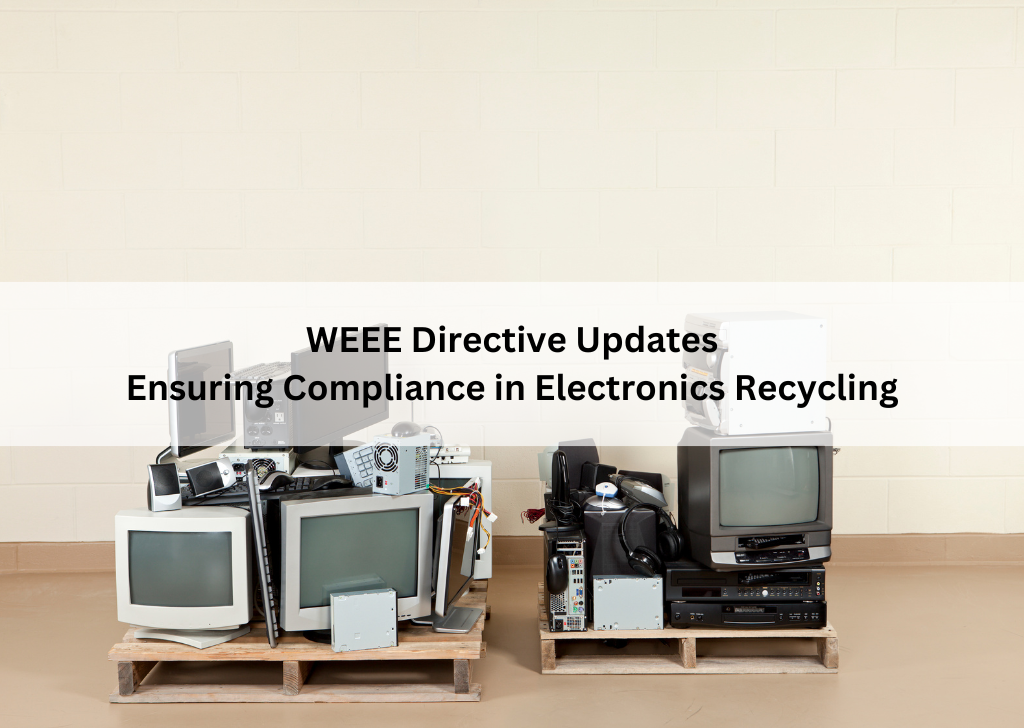
Electronics are a big part of our lives, but we need to know what happens when they stop working The EU’s updated WEEE Directive is making sure we handle that waste more responsibly. With new rules coming into effect by October 2025, companies that make or sell electronics need to step up their recycling game. It’s not just about following regulations—it’s about protecting the planet and doing business the right way. The main goal of the updated WEEE Directive is to make electronics recycling more effective, fair, and environmentally responsible. As technology evolves, so do the types of electronic products we use—and discard. This update aims to ensure that everyone involved in the lifecycle of these products, from manufacturers to retailers, takes proper responsibility for their disposal. By clarifying roles, improving transparency, and expanding the scope to include newer devices like solar panels, the directive encourages businesses to adopt greener practices. Ultimately, it’s about reducing electronic waste, protecting natural resources, and creating a more sustainable future for all. The updated WEEE Directive is a big step forward in making electronics recycling smarter and more sustainable. For businesses, it means clearer rules and fewer surprises—helping them avoid fines and stay compliant. For the environment, it’s a win: less harmful waste ends up in landfills, and more valuable materials get reused. This also supports the circular economy, where old electronics can be turned into new products instead of being thrown away. And for all of us, it means cleaner communities and a healthier planet. The impact is wide-reaching, encouraging everyone—from manufacturers to consumers—to think more responsibly about the life cycle of electronic products. As a trusted partner in regulatory compliance, Compliance XL helps businesses understand their responsibilities, manage registrations, and stay on top of reporting requirements. Their expert support ensures companies don’t just meet the October 2025 deadline—they do so confidently and correctly. By simplifying complex regulations and offering tailored solutions, Compliance XL empowers organisations to focus on what they do best, while contributing to a cleaner, more sustainable future. FAQs:
Hexavalent Chromium in Focus: Get the latest EU RoHS Exemptions
Numerous hazardous substances are prohibited in electrical and electronic equipment (EEE) under the EU RoHS directive, aimed at safeguarding the environment and human health. RoHS 2.0 replaced the original RoHS directive (2002/95/EC) in 2003, following its recasting in July 2011 (2011/65/EU). Member states will commence applying the new exemptions from September 1, 2023. However, specific applications or industries are granted exemptions from RoHS requirements, which come with designated expiration dates. To ensure complete adherence to regulations, industries must identify suitable alternative technologies or materials during the exemption period. On October 28, 2022, the European Commission introduced exemptions to the EU RoHS Directive, affecting businesses that utilize hexavalent chromium. These exemptions permit limited use of hexavalent chromium in certain applications, despite its hazardous nature. To maintain compliance with the directive, companies must both abide by the regulations and adhere to the outlined conditions of the exemptions. For a detailed list of changes, refer to: COMMISSION DELEGATED DIRECTIVE (EU) 2023/171 The updated “9(a)-III” exemption now pertains to Category 1 Large Appliances and remains valid until December 31, 2026. This exemption allows the utilization of up to 0.7 percent by weight of hexavalent chromium as a corrosion inhibitor in the working fluid of carbon steel closed circuit gas absorption heat pumps. Member states will begin accepting applications for the new exemptions from September 1, 2023. It’s crucial to note that information concerning RoHS exemptions may evolve with time, potentially leading to the addition of new exemptions or the revision of existing ones. Manufacturers and businesses impacted by RoHS should consistently monitor the latest updates from the European Commission to ensure ongoing compliance. This vigilance ensures alignment with the current regulations. Exemptions within the EU RoHS Directive affecting companies using hexavalent chromium were introduced by the European Commission (EC) on October 28, 2022. At ComplianceXL, our dedicated team remains committed to delivering the latest news on EU RoHS and regulatory compliance that could influence your business operations. We furnish dependable information and insights, empowering you to remain informed and make well-informed decisions. Furthermore, our team is poised to assist you in devising strategies for complete compliance with all relevant regulations.Contact us today for more information!