
PFAS Reporting Under TSCA: Extended Submission Period and Compliance Implications
EPA’s TSCA PFAS reporting rule is one of the most challenging compliance requirements that chemical manufacturers, importers, and many downstream users have faced in recent years. The government has shifted the start and end dates of the data submission period to May 2025. This change impacts recordkeeping, internal deadlines, software preparedness, and planning for anyone importing PFAS between 2011 and 2022. A summary of the amendment: Who needs to pay attention: High-level information required by the rule: Under Section 8(a)(7) PFAS reporting, companies must provide comprehensive information, including (but not limited to): (The adjustment to the submission period does not alter these core reporting and recordkeeping requirements.) Practical effect of the submission period extension: Suggested immediate tasks: 1.Check ownership and scope Decide which internal team (regulatory, product stewardship, or compliance) will manage the effort. 2.Develop a PFAS inventory (2011–2022) Collect production, customs, and procurement information (HTS codes and article records). Flag all materials containing PFAS. 3.Compile all necessary documents Include waste/disposal logs, production records, purchase orders, supplier declarations, SDSs, formulas, and test results. Maintain metadata and chain of custody. 4.Identify gaps and data sources Build a spreadsheet mapping required reporting elements, data sources, and responsible contacts (starting with key product lines and years). 5.Plan for CBI claims Decide what, if anything, will be claimed as CBI. Prepare legal and technical justifications with supporting evidence. 6.Monitor EPA software and instructions Track updates on the EPA PFAS reporting portal. Subscribe to the EPA TSCA PFAS page and Federal Register announcements. 7.Consider external support If in-house resources are limited, seek help from regulatory lawyers, technical experts, or industry associations familiar with PFAS reporting. Best practices for recordkeeping: Risk and enforcement: Under TSCA, companies may face enforcement actions and fines for failing to report or for submitting inaccurate information. The extended submission window does not change these obligations. Instead of pausing work, companies should use the extra time to improve accuracy and completeness. To stay updated: The TSCA PFAS reporting window now runs from April 13 to October 13, 2026 (with April 13, 2027 for small article importers). While the extension provides more time to collect data and prepare systems, it is not an excuse to delay critical tasks. Companies should immediately decide on their CBI strategy, build inventories, finalize documentation, and stay aligned with EPA updates on reporting tools and guidance. ComplianceXL can help organizations navigate these new timelines by providing expertise in PFAS inventory creation, CBI justification, and TSCA submission management. With the right planning and compliance strategy, companies can avoid risks and ensure timely, accurate reporting. FAQs 1. What are the reporting rules for TSCA PFAS? Between January 1, 2011, and December 31, 2022, companies that manufactured or imported PFAS for commercial use are required to report under TSCA Section 8(a). Required data includes: 2. How has the submission deadline changed?
Understanding PVC Reach Compliance Rules in Europe and the United States
Polyvinyl chloride (PVC) is a widely used thermoplastic polymer with various applications across industries, including construction, automotive, healthcare, and consumer goods. However, its production and disposal pose significant environmental challenges, particularly related to emissions, waste management, and regulatory compliance. The regulatory landscape for PVC is evolving, with ongoing revisions aimed at addressing environmental concerns and promoting circular economy practices. In Europe, the REACH Regulation (EC 1907/2006) restricts hazardous chemicals used in PVC production. The Construction Products Regulation (EU 305/2011) ensures that PVC used in construction meets specific safety and performance criteria. PVC recycling is regulated under directives such as the Packaging and Packaging Waste Directive and the End-of-Life Vehicles (ELV) Directive. In the United States, PVC Reach is primarily regulated by the Environmental Protection Agency (EPA) under several laws. Key among these are the Toxic Substances Control Act (TSCA) and the Consumer Product Safety Act, which regulate substances like vinyl chloride, a major component of PVC. Complying with environmental regulations helps minimise the risk of fines, shutdowns, and reputational damage. It also reduces harmful emissions, such as dioxins and vinyl chloride, limits waste discharge, and helps protect air, soil, and water quality. Moreover, regulations encourage industries to adopt advanced technologies and quality control measures, promoting the use of safer alternatives to PVC. ComplianceXL provides specialized PVC compliance consulting services and monitors regulatory updates on behalf of its clients. We also assist customers in maintaining up-to-date supplier certificates and declarations as part of a comprehensive compliance data management strategy. FAQs: 1. What are the key environmental challenges in PVC production? Major challenges include high emissions of harmful chemicals such as dioxins, chlorine, and vinyl chloride monomer; difficulties in waste management; the use of hazardous additives like phthalates; and high energy consumption during production. 2. How can PVC manufacturers manage emissions effectively? Manufacturers can implement advanced filtration systems, adopt closed-loop production processes, and utilize cleaner technologies—such as replacing toxic plasticizers with environmentally friendly alternatives.
Strengthening Water Safety – The Impact of Lead and Copper Regulations
Ensuring safe drinking water is crucial to public health. The Environmental Protection Agency’s (EPA) Lead and Copper Rule (LCR), established in 1991, aims to reduce lead and copper contamination in drinking water, particularly in older homes with corroded pipes. These contaminants pose serious health risks, including kidney damage, developmental delays, and brain impairment, especially in children and pregnant women. Lead and copper can enter drinking water due to corrosion in pipelines and plumbing components. While lead is highly toxic, excessive copper levels can also lead to adverse health effects such as liver and kidney damage, as well as gastrointestinal issues. Under the LCR, water utilities are required to take several measures to mitigate lead and copper contamination. These include replacing lead service lines, monitoring contamination levels, implementing corrosion control techniques, and educating the public on potential hazards and ways to minimize exposure, such as flushing taps or using certified water filters. Adhering to the LCR offers multiple advantages: ComplianceXL supports organizations in ensuring compliance with the Lead and Copper Rule, helping them mitigate risks associated with these hazardous contaminants in drinking water. Through expert guidance, regulatory assessments, and effective compliance strategies, we empower communities and businesses to meet regulatory requirements, enhance water safety, and safeguard public health. FAQs: 1. How do lead and copper enter drinking water? Lead and copper primarily leach into drinking water due to the corrosion of plumbing materials that contain these metals. 2. Why is lead so hazardous? Lead is a highly toxic metal that can cause severe health problems, including neurological damage, cognitive impairment, and developmental delays, particularly in children and pregnant women. 3. How can I reduce lead exposure in my drinking water? To minimize exposure, use certified water filters, let cold water run for a few minutes before use, and consider replacing lead-containing plumbing fixtures. 4. What steps do water utilities take to comply with the LCR? Water utilities must replace lead service lines, monitor water quality, implement corrosion control measures, and educate the public on ways to reduce exposure. 5. How often is water tested for lead and copper? The frequency of testing depends on the size of the water system and previous test results. Larger systems may conduct annual tests, while smaller systems may test less frequently.
EPA’s Bold Move to Safeguard Health with Stricter TCE Regulations
On October 31, 2023, the U.S. Environmental Protection Agency (EPA) introduced a proposed risk management rule under Section 6 of the Toxic Substances Control Act (TSCA), aiming to prohibit most applications of Trichloroethylene (TCE) within one year after the final rule’s publication. Despite offering an extended transition period, the proposed rule prioritizes near-term worker protections to minimize exposures. The deadline for public comments on this proposal is set for December 15, 2023. TCE, a volatile organic compound utilized in a broad spectrum of commercial and consumer products, including adhesives, sealants, paints, coatings, and applications in the automotive, transportation, security, and defense industries, is associated with significant non-cancer health effects. These effects include toxicity on organs such as the liver and kidney, reproductive and developmental toxicity, immune system impacts, neurotoxicity, and carcinogenicity through all exposure routes. Due to its adverse health effects, TCE is subject to various federal laws and regulations in the United States. In a proactive measure, the EPA is taking actions to prevent the increasing contamination of soil and groundwater by TCE. To address potential risks, the EPA’s proposed rule seeks to prohibit all manufacturing, including industrial and commercial imports, processing, and distribution of TCE. Additionally, it aims to restrict the disposal of TCE, providing a time-limited exemption for cleanup projects, and introduces recordkeeping and downstream notification requirements. The EPA asserts that within the proposed one-year timeframe, the majority of individuals likely to be exposed to TCE, including workers, consumers, and communities, would be protected. In response to these regulatory developments, Compliance XL offers TCE compliance consulting services, assisting companies in declaration collections, and maintaining up-to-date supplier certificates as part of their comprehensive compliance data management strategy. FAQs 1.What are the potential health risks of TCE? TCE is highly toxic chemical known to cause serious health risks including cancer, neurotoxicity, and reproductive toxicity. 2.What are the few applications of TCE? TCE is utilized in cleaning and furniture care products. It is also part of degreasers, brake cleaners, and tire repair sealants.
US EPA Unveils Proposed Risk Management Rule for Trichloroethylene (TCE)
The U.S. Environmental Protection Agency (EPA) unveiled a risk management rule in October 2023 in response to escalating human health concerns associated with trichloroethylene (TCE). This initiative follows the release of the final revised risk determination for TCE in January 2023, which reevaluated the risk assessment conducted in November 2020 under the Revised Toxic Substances Control Act (TSCA). Integrated Risk Management Measures for Trichloroethylene (TCE) are : Risk Assessment Approach Unlike previous methodologies, the final revised risk assessment considers TCE as a whole chemical, foregoing testing for individual conditions of use. This comprehensive evaluation examines the cumulative impact of TCE across various applications, offering a more thorough understanding of its risks. Human Health Focus The introduced risk management regulation is specifically tailored to address worries about the adverse effects of TCE on human health. The EPA aims to enhance risk management strategies comprehensively to mitigate potential health risks associated with TCE exposure. Updated Perspective on Personal Protective Equipment Acknowledging that workers exposed to TCE may not consistently utilize proper personal protective equipment marks a significant shift in approach. This recognition underscores the importance of realistic outcome evaluations and emphasizes the need for comprehensive risk management strategies beyond reliance on specialized protective equipment. TSCA Amendment The EPA’s actions underscore the agency’s commitment to robust chemical management and the protection of the environment and public health, aligning with the amended Toxic Substances Control Act (TSCA). Stakeholders, including regulatory agencies and businesses utilizing trichloroethylene, are advised to stay updated on the recommended modifications and actively contribute to the ongoing discussions, providing valuable insights to facilitate the development and implementation of successful risk management plans for trichloroethylene. The >EPA’s actions underscore the agency’s commitment to robust chemical management and the protection of the environment and public health in alignment with the revised Toxic Substances Control Act (TSCA). All stakeholders, encompassing regulatory bodies and TCE-utilizing industries, are urged to stay informed about these proposed changes and actively engage in the continuous dialogue to offer meaningful input for the formulation and execution of effective risk management strategies. Leveraging more than 20 years of regulatory expertise, ComplianceXL consistently provides ongoing assistance to companies aiming for compliance with the recently unveiled US EPA Proposed Risk Management Rule for Trichloroethylene (TCE). The platform streamlines regulatory operations by enabling efficient risk assessments, seamless compliance management, and the generation of accurate and timely reports. This comprehensive support ensures a more effective and streamlined regulatory process for organizations.
EPA Publishes Final Rule for PFAS Regulation under TSCA
On October 11, 2023, the Environmental Protection Agency (EPA) took a significant step by publishing the long-anticipated final rule on reporting and recordkeeping requirements for per- and polyfluoroalkyl substances (PFAS). This vital rule, initially introduced as a draft in June 2021, was mandated by the National Defense Authorization Act (NDAA) back in 2019. It establishes a comprehensive framework for the submission of PFAS manufacturing and importing data, encompassing the period from 2011 onward, even including PFAS integrated into imported articles. The EPA’s initiative is a proactive effort to curb the escalating levels of PFAS entering our air, water, and land. The PFAS reporting rule under the Toxic Substances Control Act (TSCA) Section 8(a)(7) is one of the pivotal measures. This rule applies to anyone who has been involved in the “manufacturing” of PFAS since January 1, 2011. Manufacturers and importers of PFAS into U.S. territory are mandated to provide comprehensive data within 18 months, with the deadline set for May 8, 2025. Notably, the rule encompasses articles or imported articles containing PFAS, even if PFAS is present as part of surface coatings. This regulatory reach extends to distributors and contract manufacturers importing materials containing PFAS. To encourage compliance, the EPA advises manufacturers to maintain meticulous records of their activities as evidence of due diligence. Moreover, companies are encouraged to retain supplier declarations asserting the absence of PFAS in their products, which could exempt them from reporting. It’s noteworthy that a majority of U.S. states—forty-six to be exact—have either enacted or proposed PFAS legislation, often featuring restrictions or reporting obligations. The EPA’s dedicated portal for PFAS reporting is scheduled to open on November 12, 2024, with submissions due by May 8, 2025. Small manufacturers, as defined within the regulation, may be granted an additional six months for reporting. Notable changes in the final rule include a slightly broader definition of “PFAS,” an extended timeframe for data collection and reporting (from 12 to 18 months), and revised criteria for reportable data. The option for joint submissions with suppliers has also been introduced. At Compliance XL, we stand ready to assist companies with PFAS compliance. We offer comprehensive consulting services and facilitate the collection of PFAS declarations. Furthermore, we aid our clients in maintaining up-to-date certificates and declarations from their suppliers, ensuring a robust compliance data management strategy. Learn more about our PFAS compliance services. The EPA’s rule is more than just a regulatory requirement; it’s a vital step toward addressing PFAS and safeguarding our environment. FAQs 1. Who are exempted from report obligations under TSCA 8(a)(7)? Companies that have not “manufactured” PFAS since 2011 Importers of municipal solid waste streams for the purpose of disposal or destruction of the waste A federal agency that imports PFAS 2. What is the change in the timeframe for reporting as per final rule of EPA? Timeframe has been expanded from 12 months to 18 months.
EPA’s Asbestos Alert: Safeguarding Health through Compliance
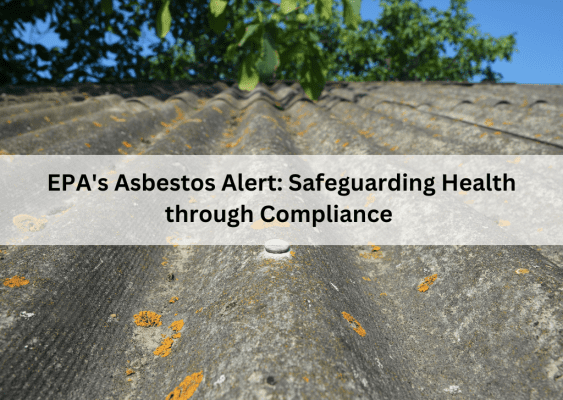
Asbestos is a fibrous silicate mineral found in six types: Chrysotile, amosite, crocidolite, anthophyllite, tremolite, and actinolite. Asbestos is used in various commercial products to strengthen cement, fireproof buildings, and create textiles. TSCA Section 8(a) empowers environmental protection agencies to establish rules requiring small manufacturers to comply. It is a highly toxic mineral that finds widespread use in many industries due to its hazardous properties. Asbestos exposure can lead to lung cancer, mesothelioma, and asbestosis, particularly in the United States due to significant exposure. Thus, this regulation falls under the jurisdiction of TSCA. The Environmental Protection Agency(EPA) strongly recommends that organizations adhere to the instructions on product labels and safety data sheets. Safety data sheets and labels should always be carefully read by individuals working with asbestos. To substantially reduce the risk of asbestos exposure, the EPA should prohibit the production and use of Chrysotile asbestos and products containing asbestos. Asbestos risk can be effectively managed through these potential solutions, which challenge TSCA. Through comprehensive bans, harmonization of state laws, and increased public awareness, efforts are aimed at better handling asbestos risks and safeguarding public health. For TSCA compliance, the EPA was permitted to utilize existing chemicals like asbestos. Numerous benefits are associated with TSCA regulations, including safeguarding human health, ensuring enforcement and compliance, and exerting international influence. The primary objective of asbestos is to eliminate the established cause of mesothelioma, a rare yet preventable cancer. Asbestos represents the most common lung hazard that can be avoided. The ComplianceXL team recognizes the significant health and safety risks posed by asbestos exposure. Furthermore, we assist organizations in conforming to asbestos exposure regulations before making any updates. Reach out to us today! FAQs: 1. Which industries have used asbestos? Industries utilizing asbestos include fireproof building, textiles, military vehicles, vehicle friction products, and other gaskets. 2. What are the types of asbestos? There are six types of asbestos: Amosite, Chrysotile, Crocidolite, Tremolite, Actinolite, and Anthophyllite. 3. Where is asbestos used? Asbestos is employed in a wide range of household and building materials, such as pipe and boiler insulation, floor tiles, wall and ceiling materials (including decorative and acoustical plasters), and exterior siding and roofing materials.
EPA updates communities on coal ash contamination
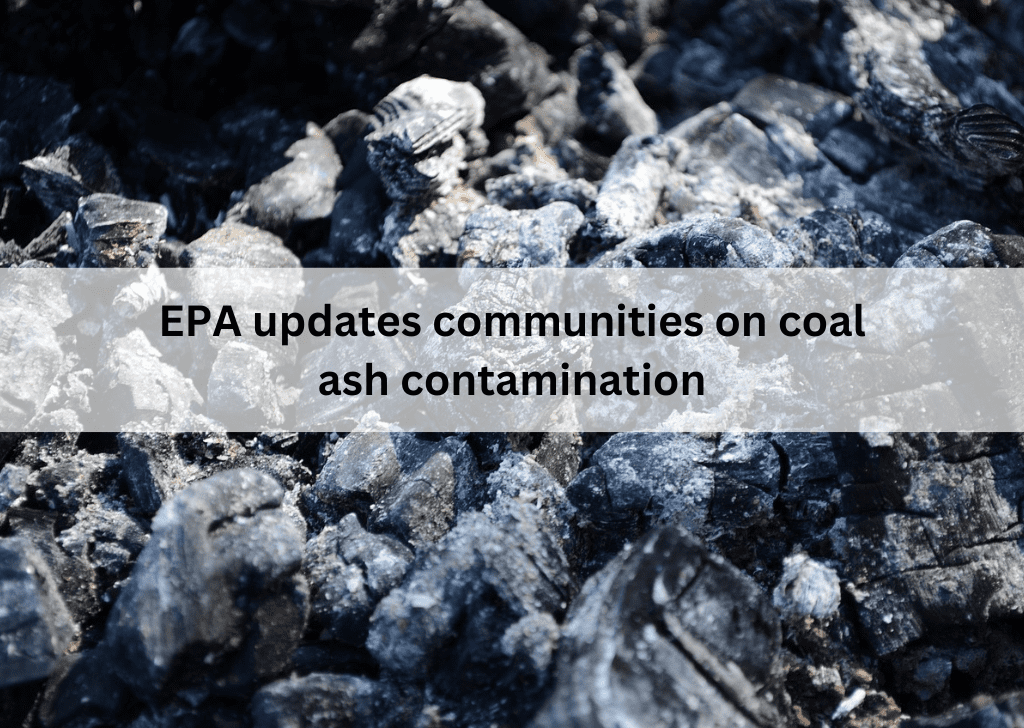
On April 17, 2015, EPA announced the latest action on protecting communities from coal ash contamination and ensuring the polluters are accountable for controlling and cleaning the contamination created by them by the disposal of coal ash (CCR), which can leak into groundwater and cause high health risks to communities living nearby. By adopting this rule, coal ash will be disposed of and managed in areas that are not currently regulated by federal law. Moreover, this rule will require coal-fired power plant owners to disclose information about how CCR is managed and disposed of. Additionally, the EPA will require inspections and corrective action if needed. The burning of coal in power plants will result in the creation of coal as a by-product. This coal ash can be a serious threat to waterways, air, and drinking water, as well as the most valuable source of water to humans, groundwater, if not properly handled. Coal ash is contaminated with a variety of chemicals such as chromium, mercury, arsenic, and cadmium. It is also associated with various other health risks that pose a high risk of cancer as well as other adverse effects on the body. In addition to protecting underserved communities, this proposal shows the administration’s commitment to environmental justice at the state level, which reflects its commitment to environmental justice at the national level. It has been found that facilities that are currently operating with legacy CCR-contaminated coal ash surface impoundments are less likely to have structural problems than facilities that are inactive with legacy CCR-contaminated coal ash surface impoundments. In 2018, a federal court directed the EPA to investigate this gap in regulation at the federal level, as these inactive units are currently unregulated at the federal level. Amidst all this, after the CCR 2015 rule was implemented, the Environmental Protection Agency found that the plants that are currently operating are also discharging coal ash units outside of the regulated area, in addition to the CCR 2015 rule. To finalize the proposal, EPA will consult with the power sector and other interested parties. This is to ensure that this proposal reflects the Administration’s commitment to reducing pollution from the power sector while providing long-term regulatory certainty and operational flexibility. In response to these proposals, the EPA is accepting public comments on Regulations.gov starting 17 May 2023 for a 60-day period. Furthermore, the EPA will engage in a public outreach campaign in addition to the in-person and virtual hearings. ComplianceXL will help them assess the EPA’s actions and develop a plan to ensure the proposal meets compliance requirements. ComplianceXL can also provide guidance on how to ensure compliance with the EPA’s latest regulations. Additionally, ComplianceXL can provide insights into how to reduce pollution in the power sector. This will help the company stay ahead of the curve and reduce the risk of non-compliance with EPA’s regulations. Talk to one of our global compliance specialists today! FAQs 1. How does coal ash affect the environment? The by-product of burning coal for electricity is coal ash. The mixture contains various pollutants and toxic substances, such as heavy metals (e.g., arsenic, lead, mercury), which pose health and environmental risks. 2. How has the EPA addressed coal ash contamination? EPA regulations established minimum requirements for coal ash disposal and management in 2015, known as the Coal Combustion Residuals (CCR) rule. In order to protect human health and the environment, these regulations aim to prevent and minimize contamination releases into the environment.
Environment Protection Agency (EPA) proposes to ban perchloroethylene
To protect public health under the Toxic Substances Control Act (TSCA), the U.S. Environmental Protection Agency (EPA) proposed on June 8, 2023, that most uses of perchloroethylene (PCE), a chemical that poses serious health risks like neurotoxicity and cancer, be banned. The current proposal would prohibit all consumer uses, Under strict workplace controls, the Agency would be permitted to use industrial and commercial facilities for purposes related to national security, aviation, and other critical infrastructure. PCE is proposed to continue to be allowed for industrial and commercial use in petrochemical manufacturing, the production of coatings for aircraft skins, and vapor degreasing with PCE to manufacture aerospace parts and engines. PCE is used for various modern applications, including brake cleaners, cement, and cleaning. PCE is generally dissolvable. PCE, for instance, is a chemical intermediate used in the production of two chemicals governed by the American Innovation and Manufacturing Act. PCE can be combined with other substances to produce more climate-friendly refrigerants, so this rule proposes to allow PCE to be processed to produce hydrofluorocarbons (HFC)-125 and HFC-134a under strict workplace controls. According to EPA, PCE could pose a significant health risk to workers, nonclients (laborers near the compound but not participating in this one), shoppers, and people close to a buyer’s use. The Environmental Protection Agency (EPA) warns that exposure to inhalation or dermal exposure could lead to neurotoxicity or cancer. It is expected that the proposed rule’s prohibitions and other requirements will significantly reduce risks for neighbouring communities. However, the agency only identified a small number of instances where fence-line communities may be at risk. According to the EPA’s proposed risk management rule, PCE production, processing, and distribution for all consumer and industrial uses would be rapidly phased out. Most of these uses will be phased out within 24 months. PCE’s proposed prohibitions only apply to uses that account for less than 20% of its annual production. There are reasonable alternatives to PCE with comparable costs and efficacy, according to EPA’s analysis. It intends to ban most of these uses. According to the Environmental Protection Agency (EPA), PCE use in dry cleaning will be phased out over ten years, with compliance dates varying by machine type. Those who work at dry cleaning facilities or spend a lot of time there would not face an unreasonable risk if PCE were phased out. Stakeholders have already observed a decline in PCE use in dry cleaning. As a result of this phaseout period, dry cleaners, many of whom are small businesses, will have time to switch to another method. In his budget request for Fiscal Year 2024, President Biden requested funding for pollution prevention grants. By providing grants, small businesses can transition to TSCA-compliant practices and reduce their economic impact. By implementing these grants, small businesses like dry cleaners could move away from PCE. Several workplaces already have controls in place that may reduce exposures sufficiently to meet the proposed rule’s inhalation exposure limit, according to industry data. As a result, PCE may not come into contact with their skin. Comments on it will be accepted by EPA for 60 days via docket EPA-HQ-OPPT-2020-0720 at www.regulations.gov. Therefore, the United States Environmental Protection Agency (EPA) is taking a significant step toward protecting public health by proposing a ban on perchloroethylene (PCE). The EPA’s risk management rule aims to reduce PCE’s serious health risks, such as neurotoxicity and cancer, by banning most of consumer use. While industrial and commercial uses of PCE will be allowed under strict workplace controls, the EPA’s analysis shows that there are viable alternatives to PCE for most prohibited uses. In conjunction with pollution prevention grants and existing workplace controls, the ten-year phaseout of PCE in dry cleaning ensures a smoother transition and reduces the impact on small businesses. Keeping up with regulatory updates and maintaining compliance is our mission at ComplianceXL. It is more important than ever for us to remain compliant with TSCA amendments. Regulations are constantly changing, and it is our team’s responsibility to keep up with them. By analyzing current practices, evaluating impacts, and implementing appropriate measures, we help organizations understand the impact. Call us today to speak with one of our TSCA Compliance specialists.
Prop 65 update: new additions to the list of restricted substances
According to the Safe Drinking Water and Toxic Enforcement Act of 1986, known as California Proposition 65, the purpose of the act is to protect the drinking water sources of the state against contamination with toxic chemicals that cause cancer, birth defects, or other reproductive harm if they are consumed. As of April 21, 2023, two new substances are added to the California Prop65 List of restricted substances by the Office of Environmental Health Hazard Assessment (OEHHA). 1,1,1-trichloroethane (CAS Number 71-55-6) Leucomalachite green (CAS Number 129-73-7). It is expected that the warning requirements for significant exposures to these chemicals will take effect as early as April 21, 2024. As reported by the OEHHA, a new chemical has been found to be carcinogenic to humans. 1,1,1-Trichloroethane is a synthetic chemical also known as methylchloroform. This colorless, sweet-smelling liquid was widely prepared industrially in large quantities for use as a solvent for inks, paints, adhesives, and other coatings. In the US, however, the manufacture of this chemical has been banned since 2002 for domestic use. It is also regulated by the Montreal Protocol as an ozone-depleting substance. Leucomalachite green is a metabolite of malachite green. It is a triphenylmethane dye. Organizations are required to notify the citizens of California about significant exposures to chemicals that cause cancer, birth defects, or other reproductive harm as per the Proposition 65 regulation. As a result of acquiring or consuming products that contain these chemicals, one may be exposed to them. Prop65 contains a number of naturally occurring and synthetic chemicals that are constituents, ingredients, or constituents of a wide range of pesticides, household products, food, drugs, dyes, and solvents. As a result of violations of CA Prop 65, a fine of up to $2,500 per violation, per day can be imposed on the violator. Compliance XL is a consulting company that helps companies in the field of Prop65 compliance and the collection of Prop65 supplier declarations from suppliers. In addition to providing customers with regular maintenance of their supplier certificates and declarations in order to ensure that they remain up to date as part of their compliance data management strategy, we also offer this service. We also offer customized training for companies on Prop65 compliance requirements. Our services provide companies with the knowledge and tools needed to stay compliant in the ever-evolving California Proposition 65 regulations. FAQs 1.Does Proposition 65 exempt businesses from warning requirements? The following categories are exempt: Government agencies and businesses with fewer than 10 employees. Businesses in which there is no significant risk of cancer, birth defects, or other reproductive harm from chemical exposure. 2.How do safe harbor levels work? Safe harbor levels refer to exposure levels that do not require a warning under Proposition 65.