
A Complete Overview of the Updated EU PFAS Restriction Proposal
The European Chemicals Office (ECHA) has recently released an updated proposal to restrict per- and polyfluoroalkyl substances (PFAS) under the EU’s REACH regulation. This refinement follows an extensive evaluation of over 5,600 technical and scientific comments received during the 2023 public consultation. The update includes newly assessed sectors such as printing, machinery, technical materials, military and medical applications, explosives, and electronics, expanding the scope of the initial proposal. PFAS, often called “forever chemicals,” are notably persistent and mobile in the environment. They are increasingly detected in water, soil, air, and living organisms, raising significant health risks—cancer, endocrine disruption, and reproductive harm among them. Without intervention, an estimated 4.4 million tons of PFAS could enter the environment over the next 30 years, posing long-term, potentially irreversible consequences. The updated proposal advances options beyond a total ban. Experts have evaluated alternative restriction scenarios, where controlled use may continue in cases where risks can be managed—offering more nuanced outcomes than outright prohibition. The proposals include: ECHA’s scientific committees—RAC (Risk Assessment) and SEAC (Socio-Economic Analysis)—are reviewing the updated dossier. Their conclusions will guide the European Commission, which will ultimately decide on legislation. Benefits and Impacts The updated PFAS restriction proposal represents the most far-reaching chemical regulatory initiative in EU history—impacting thousands of PFAS applications across multiple industries. As the proposal moves through ECHA’s review process, organizations will face increasing pressure to understand sector-specific impacts, plan for substitute materials, and align internal processes with upcoming compliance timelines. For businesses navigating these complex changes, ComplianceXL serves as a strategic compliance partner, offering end-to-end support across monitoring, impact assessment, substitution planning, documentation, and reporting. Our deep regulatory expertise ensures that companies not only stay ahead of evolving PFAS requirements but also implement sustainable, future-ready compliance strategies. With proactive guidance and structured planning from ComplianceXL, organizations can reduce compliance risks, protect market access, and transition smoothly into the new regulatory landscape. FAQs: 1: What prompted this updated proposal? After the 2023 public consultation, experts received over 5,600 comments, prompting inclusion of new sectors and refinement of restriction strategies. 2: Which new sectors are now covered? Printing, sealing, machinery, additional medical uses, military applications, explosives, technical materials, and broader industrial uses such as electronics and semiconductors. 3: What restriction options are being considered? Options range from a full ban with an 18-month phase-out, to targeted 5- or 12-year derogations, and conditional uses where risk management is feasible. 4: What’s the timeline for decision-making? ECHA’s committees are currently evaluating the dossier. Once RAC and SEAC issue their opinions, the European Commission will determine the next steps. Enforcement may begin as early as 2026–2027. 5. How It Helps ComplianceXL Clients ComplianceXL enables organizations to stay ahead of the evolving PFAS regulation with:
Exploring the Amplified Environmental Threat of PFAS and Microplastics
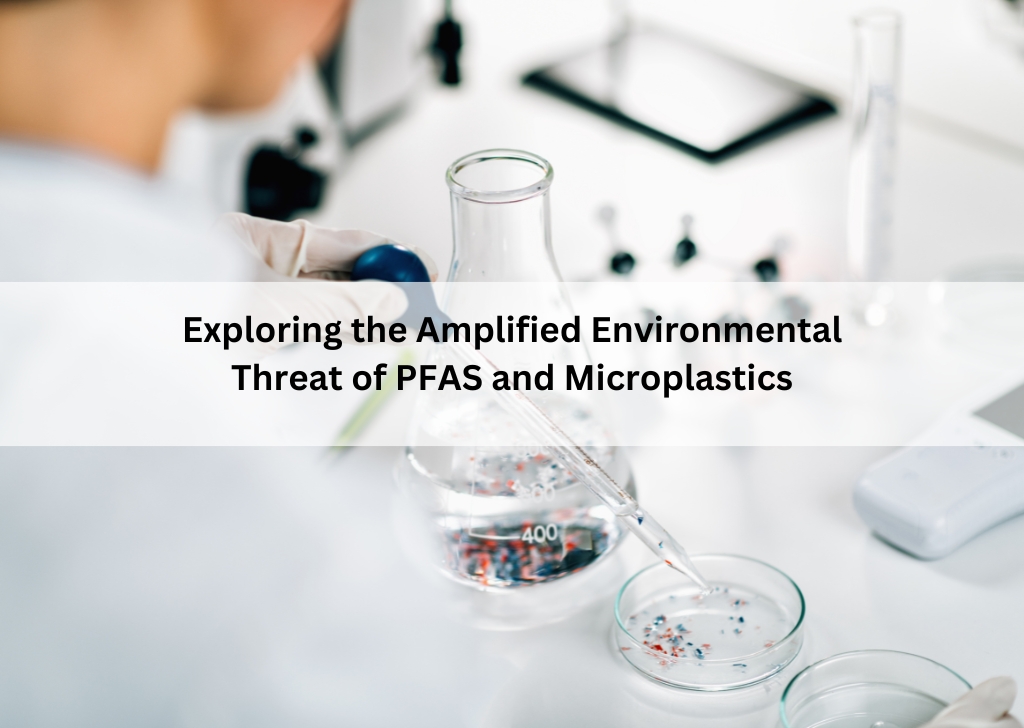
Recently, the world has been paying attention to two specific groups of environmental contaminants—PFAS (Per- and Polyfluoroalkyl Substances) and microplastics. Both are known for their detrimental effects on the environment, their global distribution, and their potential for bioaccumulation or biomagnification. However, new findings suggest a worrying synergy: when these contaminants come into contact, the effects may worsen, adding an additional dimension of threats to the environment and human health. PFAS and microplastics, known as “forever chemicals,” persist in the environment, accumulating and posing risks to wildlife and humans. They can travel long distances through water systems, reaching even the Arctic. PFAS are synthetic chemicals found in a wide variety of industries and applications, including non-stick cookware and fire extinguishing foam. Often referred to as “forever chemicals,” PFAS are not biodegradable in the environment and accumulate in living organisms over time. Microplastics are tiny plastic particles resulting from the breakdown of larger plastic items or directly manufactured for use in products like cosmetics. These particles infiltrate virtually every part of the planet, from the deepest oceans to human bloodstreams, and are known to cause physical and chemical harm to organisms that ingest them. The Synergistic Threat When PFAS and microplastics occur together, the risks are multiplied. Here’s why: Solutions: Managing the risks of this dual contamination requires an immediate response on several fronts: The growing threat of PFAS and microplastics requires urgent action. ComplianceXL plays a crucial role in helping businesses navigate the complex regulations around harmful substances like PFAS, ensuring compliance with standards such as REACH, RoHS, and TSCA. By leveraging ComplianceXL’ s expertise, organizations can reduce environmental risks, adopt sustainable practices, and protect both ecosystems and human health, all while maintaining regulatory compliance. FAQs: 1.What are microplastics? Microplastics are tiny plastic particles. Some are designed to be small, often used in the beauty industry. 2.How do microplastics and PFAS affect the environment? Microplastics absorb PFAS substances and carry them over long distances. When aquatic organisms consume these tiny plastics or microplastics with PFAS, it acts as poison and harms them.
Unveiling EPA’s Breakthrough in Combatting PFAS Contamination in HDPE Containers
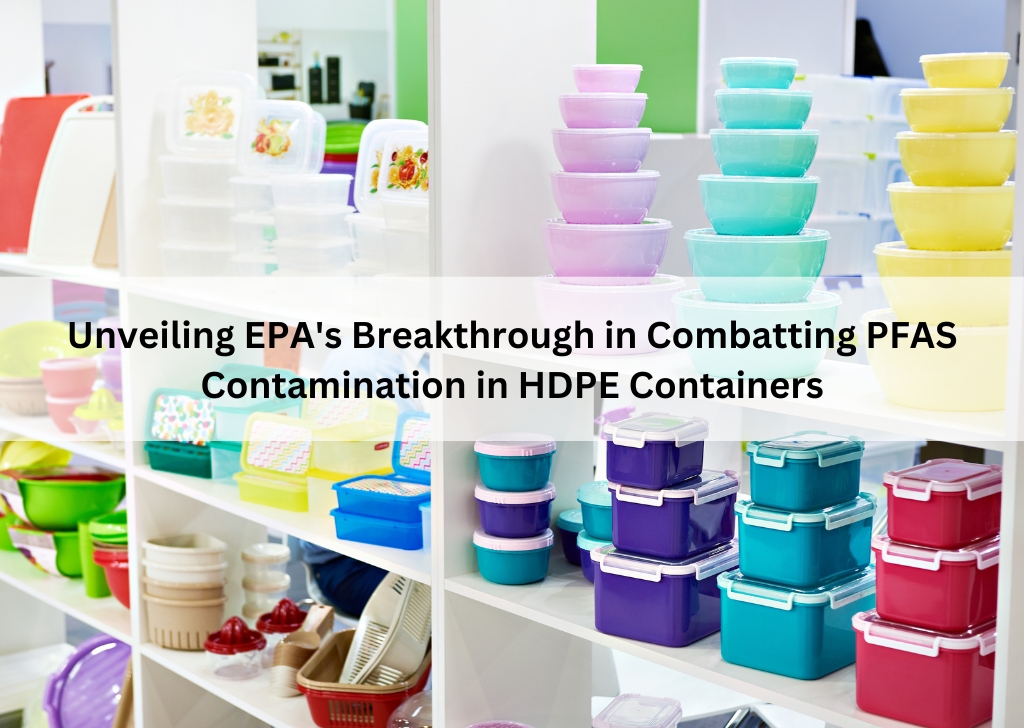
Per- and polyfluoroalkyl substances (PFAS) have long been valued across industries for their exceptional resistance to heat, water, and oil. Yet, concerns about the potential health and environmental risks associated with PFAS exposure, especially in high-density polyethylene (HDPE) containers utilized for storing various chemicals like pesticides, have been escalating. In September 2020, the U.S. Environmental Protection Agency (EPA) made a troubling discovery: several mosquito control products were contaminated with PFAS. Subsequent investigations linked the contamination to fluorinated HDPE containers, raising serious questions about the broader implications for products stored in similar vessels. Fast forward to February 15, 2024, when the EPA introduced a groundbreaking methodology capable of detecting 32 distinct PFAS compounds in HDPE containers, even at minute concentrations as low as 0.002 parts per billion (2 parts per trillion). This announcement marked a significant milestone, providing industries reliant on HDPE containers with a crucial tool to proactively screen for PFAS contamination and protect their products. The impact of this new PFAS detection method is profound: In the ongoing fight against PFAS contamination, the EPA’s latest detection methodology is a game-changer. By providing industries with a reliable means to identify and mitigate PFAS risks proactively, the EPA reaffirms its dedication to protecting public health and the environment from the dangers of PFAS exposure. For companies navigating the intricate landscape of PFAS regulations, ComplianceXL offers a team of experienced experts ready to provide guidance and support. Contact our specialists today for unparalleled assistance. FAQs: What are PFAS, and why are they a concern? PFAS (per- and polyfluoroalkyl substances) are synthetic chemicals prized for their resistance to heat, water, and oil. However, their potential health and environmental risks have sparked widespread apprehension regarding their pervasive use and contamination. How does PFAS contamination occur in HDPE containers? PFAS contamination in HDPE containers typically arises during the fluorination process employed in their manufacturing. Byproducts of this process may leach into stored products, resulting in contamination.
Decoding PFAS Regulations: Enforcement Forum Insights
In the intricate landscape of environmental regulations, staying informed about the latest developments is paramount. A particularly pressing concern revolves around the regulation of per- and polyfluoroalkyl substances (PFAS) and their potential implications for human health and the environment. The Enforcement Forum has recently provided valuable guidance on the enforceability of proposed PFAS restrictions, offering insights into the complexities and strategies involved in regulating these persistent substances. Per- and polyfluoroalkyl substances (PFAS) are synthetic chemicals renowned for their water and grease-resistant properties. Present in various products such as firefighting foam, non-stick cookware, and water-resistant clothing, PFAS have raised concerns due to their persistent nature and potential adverse effects. The Enforcement Forum, comprised of regulatory agencies and enforcement authorities, plays a pivotal role in shaping and implementing environmental regulations. Their recent counsel on the enforceability of proposed PFAS restrictions provides crucial insights into the intricacies of regulating these substances. Key Insights from the Enforcement Forum: Monitoring and Detection: Emphasizes the significance of robust monitoring and detection methods to accurately identify PFAS contamination. Calls for the development of advanced testing techniques capable of detecting a broad spectrum of PFAS compounds in various environmental matrices. Standardization of Regulations: Highlights the necessity for standardized regulations across jurisdictions to ensure a cohesive and effective approach to PFAS management. Advocates for the harmonization of regulatory frameworks to streamline enforcement efforts and facilitate international collaboration. Industry Collaboration: Stresses the importance of engaging with industries utilizing PFAS in their processes. Recommends establishing partnerships to encourage the adoption of alternative, less harmful substances, and responsible disposal methods for PFAS-containing products. Public Awareness and Education: Emphasizes the significance of public awareness and education campaigns. Advocates for informing communities about the risks associated with PFAS exposure, enabling informed citizen advocacy for stricter regulations. ComplianceXL plays a crucial role in strengthening the Enforcement Forum’s strategy to tackle PFAS contamination. With expert guidance, customized compliance solutions, and collaboration with industries, we enhance the effectiveness of proposed PFAS restrictions. Actively contributing to creating a safer environment through vigilant monitoring and public awareness initiatives, we work in tandem with regulatory bodies to translate intentions into impactful actions, ensuring a sustainable and resilient environmental future. FAQs: 1.What does the Enforcement Forum do for PFAS regulation, and how do they make it work? The Enforcement Forum, made up of regulatory agencies, focuses on strong monitoring, advanced testing, standard rules, working with industries, and making people aware to effectively manage PFAS and its challenges. 2.How does ComplianceXL help the Enforcement Forum deal with PFAS, and what do they do to make PFAS rules work better? ComplianceXL supports the Enforcement Forum by giving expert advice, tailoring solutions, and teaming up with industries. They actively contribute by keeping an eye on things and telling the public, turning good intentions into actions for a greener future.
Minnesota Implements Strict Regulations for PFAS and Heavy Metals in Products
The U.S. state of Minnesota has recently approved specific regulations concerning the use of PFAS (per- and polyfluoroalkyl substances) and heavy metals in several consumer products. This decision marks a proactive effort to mitigate the potential risks associated with these harmful substances. It indicates the state’s commitment to ensuring the well-being of its residents. Heavy metals and PFAS are toxic chemicals that can cause a number of adverse health effects, including developmental problems, reproductive problems, and certain types of cancer. The widespread use of these substances in everyday items such as cookware, food packaging, and textiles has attracted increasing attention. Considering the potential harm caused by these substances, Minnesota has taken a strong stance to regulate their presence in consumer products. Minnesota aims to protect its citizens from potential health hazards by restricting these substances in consumer products. As a result of the new regulations, there are strict limits on the concentration of PFAS compounds and heavy metals in consumer products. There is also a reasonable transition period provided to allow manufacturers and suppliers to adjust their production processes and sourcing strategies to comply with the new standards. To ensure compliance with the PFAS and heavy metals limits, manufacturers will be required to conduct thorough testing. Furthermore, labeling requirements will be implemented to ensure that consumers are informed about the presence of these substances in the products they purchase. The restrictions on PFAS will be implemented in phases, and will take effect on January 1, 2025, for products such as carpets, rugs, cleaning products, cookware, cosmetics, etc. In addition, from January 1, 2026, if a product contains intentionally added PFAS chemicals, the manufacturer must submit a notice to the Commissioner of Pollution Control Agency with the required information. Products containing PFAS chemicals will be prohibited in all products beginning on January 1, 2032. Compliance XL provides companies with compliance consulting services and PFAS declaration collections. Our company also assists our customers in maintaining their suppliers’ certificates and declarations in order to keep them up to date as part of their compliance data management strategy. FAQs 1. What is the threshold limit for lead and cadmium in consumer products under the new heavy metal regulation? The threshold limit for lead and cadmium in consumer products under the new heavy metal regulation is Lead ≤ 90 ppm, Cadmium ≤ 75 ppm. Get in touch with us today for more information! Contact Us
EU PFAS restriction delayed by challenging analysis
PFAS limits have been delayed until 2025 by the EU. As a result of the proposed ban, Germany, Denmark, the Netherlands, Sweden, and Norway would virtually be able to limit all PFAS. The announcement was made in February 2023. Given the long shelf lives and toxicity of some PFAS, also known as “forever chemicals,” the proposed prohibition is appropriate. It is widely recognized that some PFASs are toxic, including the recent announcement of a phase-out of PFASs made by DuPont, Corteva and Chemours, as well as a settlement from 3M for $10.3 billion. As a result, these chemicals are also widely used. This includes various CO2 reduction technologies that support other EU legislation. Other words, the debate about limiting PFASs should not be used as a method of treating the human body, since there may be no substitutes for compounds used in decarbonization. Safety is the topic of the discussion. It is likely that a comprehensive ban on PFAS would affect science-based targets (SBTs) and planned legislation as well as decarbonization technologies that are supported by these targets. PFAS are used in batteries for electric cars, heat pumps, hydrogen fuel generation and transportation, wind turbines, and other decarbonization technologies. This restriction would affect the EU Green Deal, the Repower EU plan, and the “Fit for 55 by 2030” bundle of regulations. PFAS producers and users are being lobbied by the European Chemical Industry Council (CEFIC), as the EU considers its stance on PFAS in advance of a recommendation (likely to be published in 2024) from the European Chemicals Agency (ECHA) and the European Council (EC). It will be possible to choose the level of PFAS restriction, including any specific exempted or permitted uses, by 2025. It would result in an effective date of 2026 and an 18-month transition period in the middle of 2027 that might affect manufacturers and products. ComplianceXL continues to monitor these new limits and laws. ComplianceXL can determine if you are using PFAS in your products at the moment. By identifying potential threats from harmful substances such as PFAS, you can be proactive in managing your compliance. Adding value to your business and your clients while gaining an edge over your competitors is possible with reactive policies. Get in touch with us today for more information!
First US drinking water standard for PFAS is proposed by the EPA.
The US Environmental Protection Agency issued a proposed rule that would establish legally enforceable drinking water standards for six per- and polyfluoroalkyl substances (PFAS). A significant step has been taken towards setting the first enforceable federal standard for PFAS under the federal Safe Drinking Water Act (SDWA). PFAS compounds have come to be known as “forever chemicals” due to their propensity to stay permanently in the environment and toxicity at incredibly low concentrations. EPA’s move is expected to profoundly affect treatment requirements for drinking water suppliers and remediation clean-up requirements across a wide swath of federal and state environmental programs. EPA’s Proposed Regulation National Primary Drinking Water Regulation for six PFAS would be established by the proposed rule: perfluorooctanoic acid (PFOA) perfluorooctane sulfonic acid (PFOS) perfluorononanoic acid (PFNA) hexafluoropropylene oxide dimer acid (HFPO-DA) and its ammonium salt perfluorohexane sulfonic acid (PFHxS) perfluorobutane sulfonic acid (PFBS) and mixtures of these PFAS. The regulation seeks to establish legally-enforceable Maximum Contaminant Levels (MCLs) for these six PFAS in drinking water in the low parts per trillion—often called “non-detect” levels. In addition to enforceable levels, The EPA has concluded that PFOA and PFOS are probably carcinogenic to humans and has recommended MCLGs of 0.0 ppt. For any combination of PFNA, PFHxS, PFBS, and GenX Chemicals, the proposed MCLG is HI 1.0. These six chemicals that have been used in a variety of industries and consumer products, including firefighting foams, nonstick cookware, and waterproof clothing. If adopted, the proposed regulation will require public water systems to monitor for these chemicals. In addition, systems will be required to alert the public and lessen PFAS contamination if levels rise above the suggested regulatory limits. According to EPA, if fully implemented, the rule will, over time, prevent thousands of fatalities and lower the number of significant PFAS-related diseases by tens of thousands. This action establishes nationwide protection from PFAS pollution for all people, including environmental justice communities. In accordance with SDWA, the EPA Administrator must also submit a maximum contaminant level goal (MCLG) at the same time as the NPDWR. The MCLG is a non-enforceable public health objective that designates a point below which no known negative health impacts are anticipated. EPA is authorized to implement an NPDWR under SDWA based on its determination that these six PFAS may have severe effects on health, occur regularly and at levels that create public health concerns in public water systems, and that, in the Administrator’s sole discretion, their regulation affords a considerable opportunity for health risk reduction for those served by public water systems. According to EPA, if the rule is completely enforced, it will stop thousands of deaths and tens of thousands of significant PFAS-related diseases. The proposed drinking water standard for PFAS by the EPA would potentially affect a wide range of industries that use or have used PFAS in their products or processes. Some of the industries that could be impacted by the new standard include: Firefighting: PFAS-containing firefighting foams have been widely used for training and fire suppression, leading to PFAS contamination of soil and water. Chemical manufacturing: PFAS are used in the production of various chemicals, including plastics, coatings, and textiles. Consumer products: PFAS have been used in a wide range of consumer products, such as nonstick cookware, waterproof clothing, and food packaging. Electronics: PFAS are used in the production of semiconductors and other electronics components. Aerospace: PFAS-containing materials have been used in the aerospace industry for various applications, including fire suppression and hydraulic fluids. Automotive: PFAS are used in the manufacturing of some automotive components, such as brake pads and windshield wiper blades. Military: PFAS-containing firefighting foams have been used extensively by the military for training and fire suppression, leading to contamination of soil and water at military sites. The new drinking water standard would likely lead to increased regulation and scrutiny of these industries and their use of PFAS. Some industries may need to find alternatives to PFAS to comply with the new standard. However, some environmental and public health advocates have criticized the proposal, arguing that the MCL is not stringent enough to fully protect public health. These advocates have called for a more protective standard of 1 ppt or lower. The EPA is currently accepting public comments on the proposal, and a final decision is expected in 2024.
Illinois proposes Groundwater Standard for PFAS
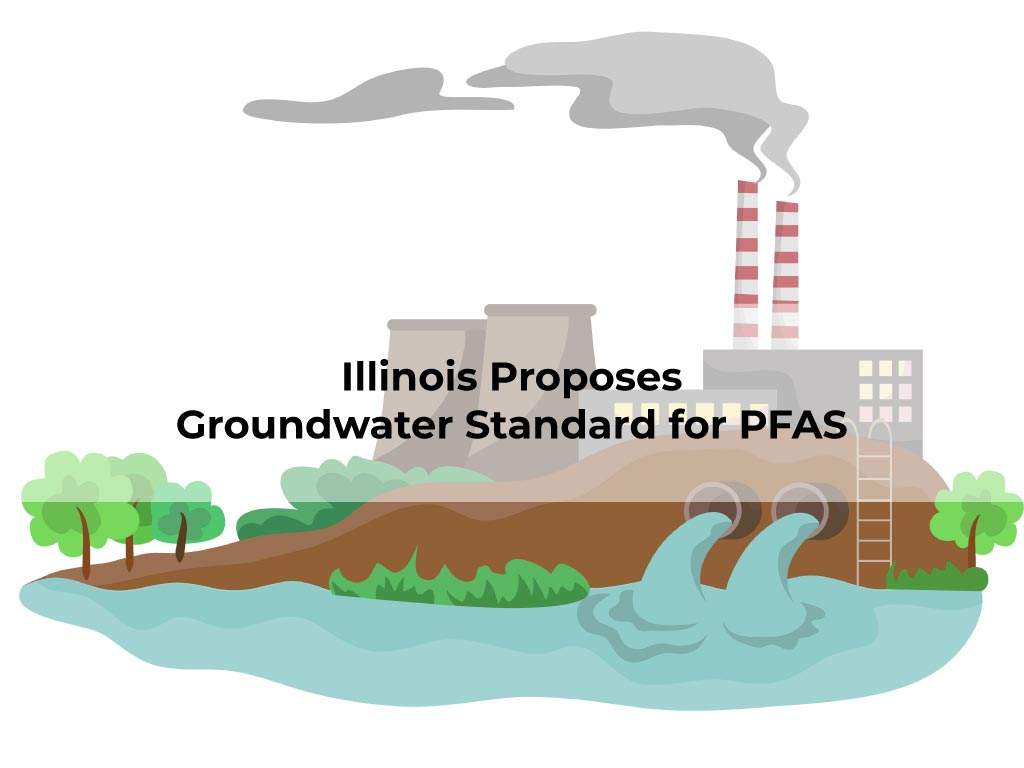
The State of Illinois has proposed new law to address the threat presented by per- and polyfluoroalkyl substances (PFAS) known as “forever chemicals”. These compounds are highly stable in the environment and can be detected even at extremely low concentrations (parts per trillion). They have been used in many areas because of their unique physical and chemical properties, and are commonly found in cleaning products, water-resistant clothing, Nonstick cookware, stain-resistant carpets and fabrics, grease-proof papers, fast food containers, pizza boxes, and candy wrappers. As of January 1, 2022, the law prohibits the manufacture, sale, distribution for sale, and distribution for use of Class B firefighting foam containing PFAS. In addition, the state has proposed a rule to set groundwater quality standards for five chemicals containing PFAS. Perfluorobutane Sulfonic Acid (PFBS) Perfluorohexane Sulfonic Acid (PFHxS) Perfluorononanoic Acid (PFNA) Perfluorooctanoic Acid (PFOA) Perfluorooctane Sulfonic Acid (PFOS) This groundwater standard by the State of Illinois is much stricter than the health based standard currently published by the US EPA. This state action will lead to enforcement and cleanup actions at sites with measurable levels of PFAS in groundwater. The term “PFAS” refers to a class of chemicals found in industrial and consumer products that are known to remain in the body for an extended period of time. Federal and state environmental agencies set the cleanup targets for soil and groundwater. Our compliance specialists at ComplianceXL are available to assist you in obtaining the data you need to determine which of your products are subject to the EPA’s final ruling on long-chain PFAS in surface coatings. Our supplier engagement team will assist you in gathering and verifying necessary compliance documentation so you can stay up-to-date on EPA’s regulatory compliance requirements across the country. Our regulatory expertise also enables us to help you keep up with regulatory priorities as they develop and evolve under any global regulation.
Additional Four PFAS maybe Designated as RCRA Hazardous Wastes
On October 26, 2021, the U.S. EPA announced that it would initiate two rulemakings to address PFAS contamination across the country. In the first rulemaking, four of the so-called “forever chemicals” will be designated as hazardous wastes under the Resource Conservation and Recovery Act (RCRA). Solid wastes, such as garbage and sludge from water treatment plants, wastewater treatment plants, or pollution control facilities, and other discarded material, result from industrial, commercial, mining, agricultural, and community activities, are regulated by RCRA. Solid wastes are not limited to waste that is physically solid. Here are the four PFAS that will be subject to this rulemaking: Perfluorooctanoic acid (PFOA)- found in stain-resistant carpet, water-repellent clothes, paper and cardboard packaging, ski wax, and foams used to fighting fire Perfluorooctane sulfonic acid (PFOS)- found in leather, pesticides, firefighting foams, polishes, adhesives, paint Perfluorobutane sulfonic acid (PFBS)- found in environmental media and consumer products, including surface water, wastewater, drinking water, dust, carpeting and carpet cleaners, and floor wax Hexafluoropropylene oxide (HFPO) dimer acid and its ammonium salt – more commonly known as GenX- versatile fluorointermediate, used in the synthesis of fluoromonomers and fluoropolymers and lubricants. The announcement was made on the same day that the EPA released its latest evaluation of the toxicity of GenX. Among these four PFAS, GenX is considered the most toxic. GeneX is commonly used in nonstick coatings such as Teflon™, as a processing aid in fluoropolymer plastics. A review of the 2016 toxicity assessments for PFOA and PFOS will be done by the EPA. It will clarify EPA’s authority to conduct investigations and clean up for wastes that meet RCRA’s definition of PFAS. Through the RCRA corrective action process, EPA has set its goal to provide a clear view that emerging contaminants, such as PFAS, can be cleaned up. RCRA’s Regulation of PFAS, as well as other emerging contaminants, has broad implications. The Environmental Response, Compensation, and Liability Act of 1980 (CERCLA) automatically lists hazardous wastes as hazardous substances by virtue of the Resource Conservation and Recovery Act of 1976 (RCRA). It is likely that existing Superfund sites will need to address PFAS contamination, which could result in the identification of new potential responsible parties. The EPA has not yet determined how it will deal with the closed sites that may contain PFAS. These rulemakings are responses to the petition from the Governor of New Mexico. By addressing PFAS contamination across the nation, they are building on EPA’s broader action plan. EPA has published a PFAS Strategic Roadmap. PFAS contamination is addressed in an integrated manner through 2024. The EPA needs to provide better guidance on disposal and destruction of PFAS to stakeholders. In accordance with the EPA’s Roadmap, the decision is expected to be made during the next year. Learn more about how these new additions to RCRA Hazardous Waste affect your compliance status, talk to one of our global compliance experts.
EPA plans for New Waste Water Regulation
On Sep 8, 2021, EPA released a Preliminary Plan 15, that identifies opportunities for better public Health protection and the environment protection through regulation of waste water pollution. Preliminary Plan 15 announced to take three new rulemaking to reduce the contaminants, mainly PFAS and nutrients, from industries. The preliminary plan is an effort by the EPA to reduce harmful PFAS (perfluoroalkyl or polyfluoroalkyl substances) levels found in wastewater treatment plants. The goal of this plan is to regulate PFAS chemicals entering public sewage treatment plants by establishing permissible levels for PFAS at one facility. The three new rulemakings will be initiated after conducting several studies as mentioned in Effluent Guidelines Program Plan 14. The agency has warranted revised Effluent Limitation Guidelines (ELG) and pre-treatment standards, to address PFASA and Nutrient discharges for: Organic Chemicals, Plastics and Synthetic Fibers category from facilities manufacturing PFAS. Metal Finishing category from Chromium electroplating facilities. Meat and Poultry Products category In particular, Preliminary Plan 15 proposes the following actions: to set new limitations for the Organic Chemicals, Plastics, and Synthetic Fibers industries to address the discharge of per- and polyfluoroalkyl substances (PFAS) from the PFAS manufacturing plants. to set new limitations for the Metal Finishing category to address PFAS discharges from chromium plating operations. to complete a detailed study of the Meat and Poultry Products and set new discharge standards for the industry. to publish a proposed Supplemental Rulemaking for the Steam Electric Power Generating industries. to initiate a detailed studies of PFAS discharges from the Landfills and Textile Mills industries. In addition, EPA’s Preliminary Plan 15 contains the results of studies of multiple industries, such as Metal Products and Machinery, Explosives Manufacturing, and Landfills, as well as an update on the PFAS Multi-Industry Study. PFAs stands for per- and polyfluoroalkyl substances. Its called Forever chemicals, because it gets accumulated in nature and Human body. EPA had already indicated in March, they have plans to regulate PFAS discharge, calling it a potential future rule making.