
EPA Seeks Expert Peer Reviewers for DIDP and DINP Risk Evaluations
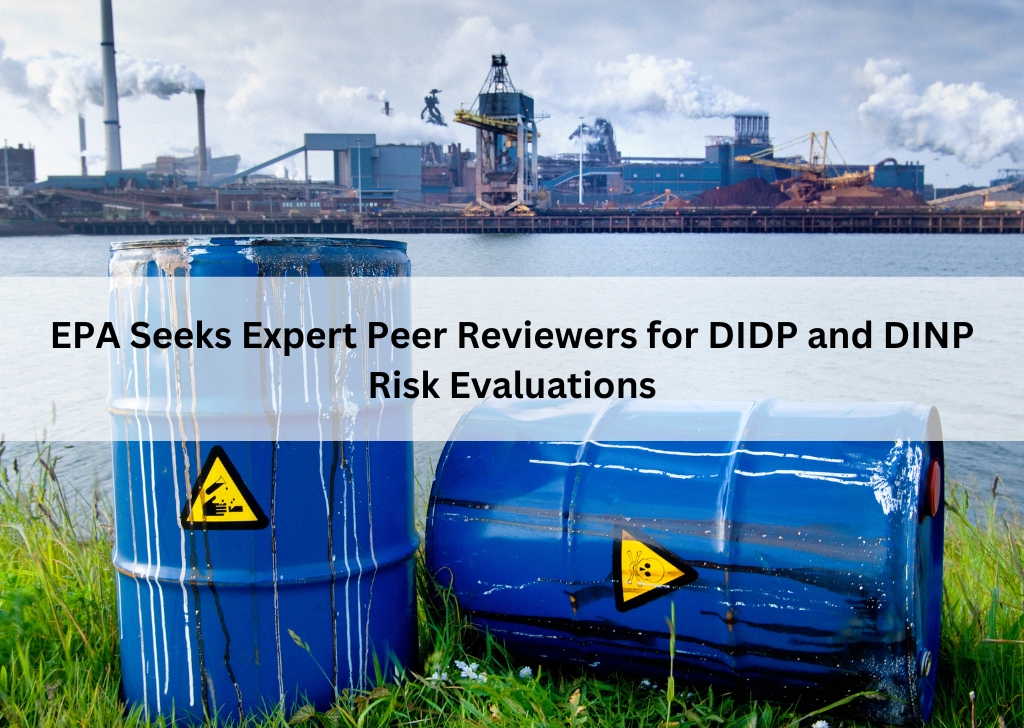
Under the mandate of the Toxic Substances Control Act (TSCA), the Environmental Protection Agency (EPA) is tasked with evaluating the potential health and environmental risks posed by chemicals in circulation. Among these, di-isodecyl phthalate (DIDP) and di-isononyl phthalate (DINP) have come under scrutiny due to their widespread use as plasticizers. However, despite the completion of draft risk evaluations for DIDP and DINP by the EPA, the crucial phase of independent scientific peer review remains pending. This essential process ensures that assessments are based on sound scientific methodology and incorporate the most reliable available data. To facilitate this peer review, the EPA is actively soliciting nominations of scientific experts to serve as ad hoc reviewers for the esteemed Science Advisory Committee on Chemicals (SACC). The SACC, renowned for its independent advisory role, is responsible for providing expert peer review specifically tailored to EPA’s chemical safety programs. The importance of having qualified independent experts critically analyze the draft risk evaluations for DIDP and DINP cannot be overstated. Such scrutiny ensures that the EPA’s decisions regarding risk management for these chemicals are grounded in robust and defensible science, thereby upholding the highest standards of scientific integrity and instilling increased confidence in the final evaluations. The EPA issued a Federal Register notice on February 29, 2024, inviting nominations of scientific experts specializing in areas such as toxicology, exposure assessment, and risk assessment to serve as ad hoc peer reviewers for the SACC committee. Nominations are due by April 1, 2024, with the SACC peer review public meeting scheduled for summer 2024. For companies grappling with EU regulations or requiring assistance in navigating compliance-related matters, ComplianceXL is poised to provide steadfast support. Our team of compliance specialists stands ready to undertake regulatory obligations on your behalf, ensuring seamless adherence to EU regulations. Don’t hesitate to reach out to us for expert guidance and support. FAQs: What is the role of the ad hoc peer reviewers? Ad hoc reviewers will meticulously evaluate EPA’s draft risk evaluations for DIDP and DINP, scrutinizing facets such as hazard assessment, exposure analysis, and risk characterization. Their insights and recommendations will be submitted to the SACC for consideration. Who is eligible to be nominated as a peer reviewer? EPA seeks experts from diverse fields including toxicology, epidemiology, risk assessment, exposure assessment, environmental fate and transport, and more. Both nationally and internationally recognized scientists are eligible for nomination. How can I submit a nomination? Nominations can be submitted through the SACC website at www.epa.gov/sacc by the April 1, 2024, deadline. Detailed instructions for the nomination process are outlined in the February 29th Federal Register notice. Will the peer review be open to the public? Yes, the SACC meeting scheduled for summer 2024 to peer review the DIDP and DINP evaluations will offer opportunities for public engagement, including written and oral comments.
EPA appeals SACC review of 1,4-Dioxane risk assessment under TSCA
The U.S. Environmental Protection Agency (EPA) is seeking nominations of expert reviewers to assist the Science Advisory Committee on Chemicals (SACC) with their review of the 2023 Draft Supplement to the 1,4-Dioxane Risk Assessment under the Toxic Substances Review Act (TSCA). SACC provides the US EPA with independent scientific guidance and direction regarding the methodologies, risk assessments, and pollution prevention measures and approaches for chemicals classified under TSCA. The Risk Analysis of 1,4-Dioxane is mainly to protect Human Health & Environment. EPA has reviewed 24 conditions for risk analysis which includes laboratory chemicals, adhesives, sealants, solvents, spray polyurethane foam, printing ink, and dry film lubricants. 1,4-dioxane is found in consumer products such as detergents and soaps. This review assesses the effects of 1,4-dioxane exposure on the environment, including surface water, groundwater, ambient air, and land. It also evaluates additional conditions of use where 1,4-dioxane is present as a by-product in industrial processes. The applications of 1,4-Dioxane in manufacturing and household products are: A solvent for cotton and textile processing Chemical manufacturing, and A coolant liquid in the automotive industry. EPA intends to make the 2023 Draft Supplement to the 1,4-Dioxane Risk Evaluation for public comment in June of 2023. This document will be reviewed with the public virtually by SACC in September 2023. SACC will announce registration instructions for the meeting in the summer of 2023. The EPA considers April 24, 2023 to be the last day for any other nominations. This nomination will be considered by 10 to 15 ad hoc reviewers who will help the SACC with its review. Which are all the substance or products that contains 1,4-Dioxane? In food supplements, food containing residues from packaging adhesive traces of 1,4-Dioxane can be absorbed. It is primarily used as a solvent in some manufacturing processes. Household Products such as – Shampoo, Baby lotion, cosmetic products, bath foam, etc. 1,4-Dioxane can be found in spermicidal sponges. What are the health effects of 1,4-dioxane exposure? Effects of 1,4-dioxane to human health and environment is depends on frequency of the exposure and how much percentage of 1,4-dioxane is present. Exposure to large amounts of 1,4-dioxane can cause kidney, liver damage and adverse nervous system effects. 1,4-Dioxane for short periods of time causes irritation of the nose, eyes, and throat in the human body. Conclusion: It is important to regulate and monitor 1,4-dioxane carefully to minimize its risks and impacts on humans as well as the environment. Once the thorough risk evaluation process mandated by TSCA is completed, EPA will make a final determination on whether a chemical substance will pose any unreasonably high risks to human health or the environment upon usage. This process will allow EPA to develop and implement necessary risk management procedures to ensure the safety of chemicals that will be sold on the market. ComplianceXL provides organisations with solutions to stay compliant and socially responsible by keeping up with regulatory updates from bodies such as EPA. Find out how this will affect your organization by talking to one of our regulatory compliance specialists today. FAQs: 1. What does the risk assessment for 1 4 dioxane entail? Based on a thorough analysis of the scientific evidence, the agency’s final conclusions on which conditions of use pose unreasonably high hazards to human health or the environment are included in the 1,4-dioxane risk evaluation. 2.Why is dioxane harmful? In addition to damaging the liver and kidneys, acute exposure to large concentrations of 1,4-dioxane vapors also causes irritation of the eyes, nose, and throat.