
EU Deforestation Regulation (EUDR): Products Covered and Compliance Essentials
The EU Deforestation Regulation (EUDR) is a significant law introduced by the European Union to reduce global deforestation by closely monitoring how products are produced and traded. Its key objectives are to stop products linked to deforestation from being sold in the EU, ensure companies trace the origin of their products and conduct strict due diligence, and improve transparency around environmental and social impacts in global supply chains. The regulation was initially scheduled to take effect on December 30, 2024, but has now been postponed by one year. It will be enforced for large companies starting December 30, 2025, while small and medium-sized enterprises (SMEs) will be required to comply beginning June 30, 2026. This phased approach gives businesses additional time to prepare for compliance and strengthen their supply chain due diligence processes. EUDR contributes to global environmental protection by holding companies accountable for their sourcing practices. By ensuring that products entering the EU market are not linked to deforestation or forest degradation, the regulation sets a global benchmark for responsible trade. One of its major environmental benefits is reducing greenhouse gas emissions by cutting carbon released from deforestation-related activities, with an estimated reduction of at least 32 million metric tonnes per year. Additionally, EUDR helps preserve biodiversity and safeguards forest ecosystems, while also promoting sustainable agricultural practices by addressing deforestation caused by the production of high-impact commodities such as cattle, soy, palm oil, coffee, cocoa, rubber, and wood. To ensure compliance, the regulation requires companies to conduct thorough checks, including verifying geolocation data of sourced goods and confirming that these products meet legal production standards. While EUDR is an EU regulation, its influence is global, as businesses in exporting countries like India must also comply if they wish to access the EU market. This makes EUDR not just a European requirement but a worldwide trade standard that impacts supply chains across continents. The regulation applies to certain raw materials and products closely linked to deforestation and forest degradation, as listed in Annex I of the law. These products are classified using Combined Nomenclature (CN) codes, which are essential for determining trade compliance. Covered products include everyday goods such as wooden furniture and flooring, cocoa and chocolate products, coffee beans and ground coffee, leather goods including footwear and bags, rubber-based products such as tires and gloves, soy derivatives including animal feed and cooking oils, and palm oil, widely used in cosmetics and biofuels. However, some processed or multi-ingredient products may be excluded if their primary classification under CN codes does not fall within the regulated categories, even if they contain one of the listed raw materials. For this reason, it is crucial for businesses to carefully review the CN codes of their products to determine whether EUDR applies, ensuring compliance and avoiding trade disruptions with the EU. ComplianceXL provides specialized EUDR consulting services, helping companies navigate these complex regulatory requirements. Our services include managing supplier certificates and declarations on a regular basis as part of a robust compliance data management strategy, ensuring businesses remain fully prepared for EU regulatory checks. FAQs: 1. Who needs to comply with EUDR? Operators, Traders, and SMEs are required to comply with the regulation. 2. Does it apply outside of the EU? Yes, producers in countries like India must comply if their products are exported to the EU.
Navigating Environmental Compliance: Understanding Canada’s Environmental Protection Act (CEPA)
In today’s world, environmental protection is a critical issue that requires careful regulation and oversight. In Canada, the Environmental Protection Act (CEPA) stands as a key legislative instrument aimed at safeguarding the environment and promoting sustainable practices. As industries and businesses navigate the complex landscape of environmental compliance, understanding CEPA’s provisions and implications is essential. In this blog, we’ll delve into the key aspects of CEPA, its significance, and how businesses can navigate environmental compliance within its framework. Understanding CEPA: Enacted in 1999, the Canadian Environmental Protection Act is a comprehensive legislation that addresses various aspects of environmental protection, pollution prevention, and sustainable development. CEPA serves as a cornerstone for Canada’s environmental policy framework, guiding efforts to protect human health and the environment from harmful substances and activities. Key Provisions and Requirements: Navigating Environmental Compliance: For businesses operating in Canada, navigating environmental compliance within the framework of CEPA requires proactive measures and commitment to sustainability. Here are some key strategies for navigating environmental compliance under CEPA: As businesses strive to achieve environmental sustainability and regulatory compliance, understanding and navigating Canada’s Environmental Protection Act (CEPA) is essential. By adhering to CEPA’s provisions, adopting best practices, and embracing a proactive approach to environmental management, businesses can contribute to a cleaner, healthier environment, and sustainable future for all Canadians. Let’s work together to navigate environmental compliance effectively and protect the environment for generations to come. FAQ’s: CEPA stands for the Canadian Environmental Protection Act, which is a federal law designed to protect the environment and human health from pollution and other environmental risks. It’s important because it establishes regulations and guidelines that businesses and industries must follow to minimize their environmental impact and ensure sustainability. 2.What types of substances are regulated under CEPA? CEPA regulates various substances, including toxic chemicals, pollutants, hazardous wastes, and substances that deplete the ozone layer or contribute to climate change. These substances are subject to assessment, management, and regulatory controls under CEPA.
Perfluorooctanoic acid (PFOA)- Restrictions and deadline

Per-and polyfluoroalkyl substances (PFAS) are a large family of synthetic chemicals widely used in the society. PFOA is one of those families present in PFAS. Since they contain Carbon chain of different lengths and the Hydrogen atoms are completely or partly substituted by Fluorine atoms, they form a very stable bond and are not degradable in the environment. PFOA can be found in Non-stick pans, furniture, cosmetics, household cleaners, clothings, packaged food containers, furniture treatments products, food wraps, sprays for leather, shoes and paints. EU has taken a regulatory approach to reduce the usage of PFOA and its salts under Annex I to Regulation (EU) 2019/1021.PFOA is considered as a substance of concern because of 2 main reasons. Toxic for reproduction Persistent, Bioaccumulative and Toxic Substance Perfluorooctanoic acid has CAS number 335-67-1.PFOA salts and polymers comes with formula C7F15- , C8F17- .Below are the substances that are excluded from this designation:— C8F17-X, where X is F, Cl, Br. — C8F17-CF2-X′ or C8F17-C(=O) OH, C8F17-C(=O )O-X′ (where X′ is any group, including salts). Important dates: 4 July 2020 PFOA should not be used in equal to or more than 25ppb including its salts or 1000ppb of one or a combination of PFOA related substance in any substance/constituent, mixture or article. 4 July 2022 This rule will apply to the equipment used to manufacture semi-conductors and latex printing inks. 4 July 2023 The rule will apply to textiles for the protection of workers, and membranes intended for use in medical textiles, filtration in water treatment, production processes and effluent treatment, and plasma nano-coatings. 4 July 2032 The rule applies to medical devices other than implantable medical devices within the scope of Directive 93/42/EEC. The US Environmental Protection Agency also regulates PFOA. On Feb 20,2020, EPA proposed regulatory determinations for perfluorooctanesulfonic acid (PFOS) and perfluorooctanoic acid (PFOA) in drinking water. On March 10 2020, EPA issued initial regulatory determination under the safe drinking water act (SDWA) for PFOS and PFOA. They also started 60 -day public comment box which expired on May 11,2020. The public comment period is for interested parties to submit the input to EPA regarding on adverse health effect of substance, frequency of presence of this substance in water and health risk. A negative finding will lead to withdrawing preliminary determination. Our REACH compliance experts keep a tab on developments on REACH regulation and help organisations meet their compliance requirements. Our expertise combined with consultancy services and experience in consumer product supply chain provides an edge in understanding the specific requirement in such cases. Would you like to learn more about how ComplianceXL can support your REACH compliance activities? Talk to our compliance specialists today!
ECHA working to make Drinking water safe

On 10 th Jan 2020, ECHA announced that they are working on developing a positive list of substances that can be safely used in materials that come into contact with drinking water. It will improve consumer protection and ensure equal safety standards for the industry. The first positive list containing around 1500 chemicals, is expected to be adopted by the EuropeanCommission by 2024. This list is based on the existing list in the member states. ECHA will reassess,prioritise, review the list and will recommend expiry dates for them. This will be based on thehazardous properties and as well as the quality of the substance. This important consideration in the regulation comes to improve the quality and supply of drinking water and also the confidence in tap water. With this regulation, ECHA wants to ensure that only safe substances can be used in pipes and taps in contact with water. This will minimise the harmful effects of pollution on both human health and natural resources, in line with the European Green Deal. The introduction of this full risk-based approach would improve coherence with the Water Framework Directive and helps to identify potential contamination sources, to reduce risks and therefore to better focus treatment and monitoring efforts. The implementation will be carried out in collaboration with the European Food Safety Authority (EFSA) since water is closely related to food contact materials. The regulation is expected to tackle emerging pollutants such as microplastics, endocrine disruptors as well as new types of chemicals (PFAs). If any of the companies want to keep their substance in the positive list, they need to submit a review application to ECHA. They can also apply if they want to add new substances to the list. Are you affected by this upcoming regulation? Talk to one of our ECHA Compliance Experts to learn more and do an assessment.
Conflict minerals in EU – What it means for you and your business.
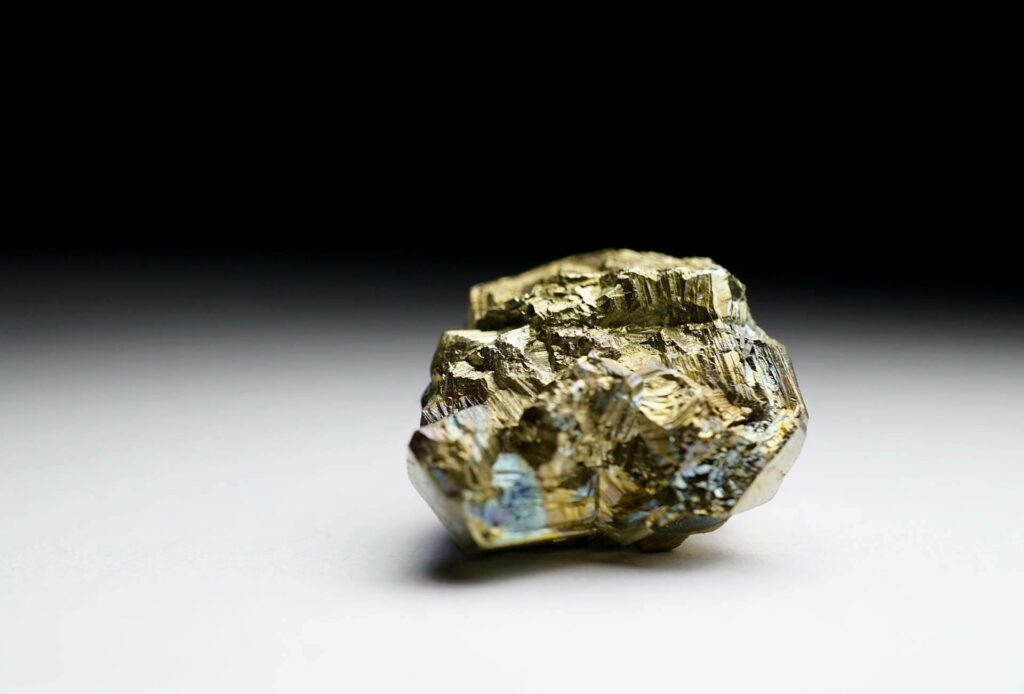
It’s a most conversable topic in the environment and material compliance space; In 2010, US Congress passed the Dodd-Frank Act, with rules requiring SEC listed companies to disclose their use of conflict minerals viz., Tantalum, Tin, Tungsten or Gold (3TG). The purpose of the rule was to keep a check on exploitation and trade of conflict minerals by armed groups is helping to finance conflict in the DRC region and is contributing to an emergency humanitarian crisis. Starting January 2021, a new law will apply across the EU – “the Conflict Minerals Regulation” As the world’s biggest trading bloc, the European Union has a responsibility to contribute to fair, transparent and value-based trade. This is a big step in that direction. It aims to help stem the trade in four minerals such as Tantalum, Tin, Tungsten and Gold, which are used in the production of everyday products like mobile phones, cars and jewellery; which sometimes finance armed conflict or are mined using forced labor. The structure of this guidance defines frameworks, policies, measures and supplements to determine due diligence processes for responsible supply chain of minerals from conflict-affected and high-risk areas, consistent with applicable laws and relevant international standards. A Five-Step Framework: EU importers will have to carry out checks on their supply chain by following a five-step framework, as defined in the ‘Organisation for Economic Co-operation and Development (OECD)’ guideline: Inside and outside the EU Indirectly, the regulation affects smelters and refiners of Tantalum, Tin, Tungsten and Gold, both inside and outside the EU. This is because EU importers of minerals and metals will need to make sure they source from responsible smelters and refiners i.e.; the regulation focuses on conflict minerals from all “conflict-affected and high-risk areas” around the world. In this way, the EU regulation is different from the US rule, which focuses on conflict minerals only from the Democratic Republic of the Congo and adjoining countries. For “upstream” companies who import raw materials to smelting and refinery plants in the EU. This covers the vast majority of such metals and minerals imported to Europe. The particular needs of small companies will be catered to so as to avoid subjecting them to overly cumbersome procedures, by exempting recycled minerals, and imports of very small volumes. For “downstream” companies, that use the refined forms of these metals and minerals in components and goods, the Commission will now carry out a number of measures. These include the development of reporting tools and standards to further boost due diligence in the supply chain, as well as setting up a transparency database. Those downstream operators who import refined, metal-stage products into the EU will be covered by the mandatory obligations. Through a review clause, there is also the possibility for the Commission to propose further mandatory obligations for the downstream supply chain if deemed necessary. Third party report In addition to the framework, companies are also required to provide third-party audit reports on smelter and refinery diligence practices. They must identify and assess the risks of adverse human rights impacts in their supply chains. Importers that pursue risk mitigation efforts as they continue to trade with, or even if they temporarily suspend trade with, certain suppliers are required to consult with suppliers, government authorities, civil society organizations, and other third parties on a risk mitigation strategy. How do you ensure compliance? One of the key challenges that companies face today is huge gap in supply chain traceability and related documentation, which is critical to make the compliance assessments and declarations. The Supplier base is today not able to deliver the required compliance data, such as Certificates of Compliance or Material Source information, which is critical for a legitimate compliance program. Enventure is today a leader in the compliance space, providing a host of solutions that enable customers to meet their regulatory compliance obligations. With services ranging from Consulting to Gap Analysis to Training and Data Collection, Enventure is able to provide comprehensive solutions, which are tailored to customer specific needs and priorities. Our unique ability to handle standard off-the-shelf parts, as well as custom parts sets us apart from the competition and makes the parts coverage best in class, since 2003, Enventure has assisted over 600 global corporations in fulfilling their regulatory & environmental compliance requirements within stipulated timelines, and with high levels of cost efficiency. Our customers include OE Manufacturers, Contract Manufacturers, as well as Distributors and Retailers.
It’s time to update your SDS for REACH
1st June 2015 is the deadline for manufacturers to update all their MSDS to SDS and today, just a few days away from the deadline, we thought it would be useful to share some our thoughts about the importance of SDS in REACH and the need for its updation. SDS and its importance in REACH REACH Regulation has been implemented by European Union to control the use of hazardous substances in the EU market for protecting human health and the environment. REACH obligates everyone in the supply chain to communicate freely about the substances they use, particularly with respect to substances that can cause any hazards to human health and the environment. REACH mandates this communication to occur through the supply chain both upstream and downstream. To enable free flow of communication between suppliers and downstream users in all stages of the REACH process Safety Data Sheets (SDS) are used. Since SDS is the vital component of GHS, they are intended to provide all necessary information about physical and chemical data of a substance/mixture for its safe use in any application. To maintain their products in the EU market, manufacturers, importers, distributors, and downstream users must make sure that their SDS for substances and mixtures comply with the requirements of REACH. As per GHS, an SDS should be prepared for substances and mixtures which meet the criteria for physical, health or environmental hazards. SDS should also be prepared for all mixtures that contain carcinogenic, mutagenic or toxic to reproduction elements in concentrations exceeding the threshold limit specified for SDS. In such cases of preparation of SDS, the following should be included: Information about the properties of the substance/ mixture Information on its hazards Instructions for transport Safety measures- instructions for safe use, disposal and exposure control This information should be included in the main body of SDS or in the section for additional exposure scenarios. In case there is a requirement to provide an SDS, it must be provided free of charge to anyone who has received or requested an SDS. SDS can be provided on paper or electronically. SDS should be provided either before or at the time of first delivery of the substance or mixture. The SDS should be immediately updated if new information on hazards or risk management measures is made available. SDS must be updated as early as possible when: Any latest information on hazards becomes available Any latest information on risk management measures becomes available Details of authorizations granted or refused Details of any restrictions imposed SDS issued after registration must also include the registration number. With GHS alignment, each package of a classified hazardous chemical should be labeled or marked with the following elements: Product or chemical identifier that matches the product or chemical identifier on the SDS Contact information of the product or chemical supplier Hazard Pictograms Signal words Hazard statements Precautionary information Transition of Material Safety Data Sheet (MSDS) to Safety Data Sheet (SDS) Material safety data sheet (MSDS), which OSHA (Occupational Safety and Health Administration) calls a “one-stop resource for everything you might need or want to know about a chemical”, is the cornerstone of OSHA’s Hazard Communication Standard (HCS). OSHA revised the HCS to align with the Globally Harmonized System of Classification and Labeling of Chemicals (GHS) to help manage the risks associated with chemicals in the workplace with the help of the new SDS. The intention behind GHS is to harmonize classification criteria and hazard communication tools at regional, national, and worldwide level. Due to this, OSHA adopted United Nations’ GHS and brought substantial changes to MSDS. This led to the formulation of SDS.OSHA further decided to standardize the 16 section format with a required ordering of sections for SDS as a mandate. Hence, REACH SDS now includes these rules that are in line with GHS to help manage the risks associated with chemicals. Annex II of the REACH Regulation provides the detailed requirements and format of SDS for substances and mixtures. Over the past 3 years UN’s GHS format for SDS has received global acceptance, leading to implementation of GHS in the European Union and Asian manufacturing nations like Korea, China and Japan. SDS was formerly named as MSDS (Material Safety Data Sheet) which was functionally equivalent to the new SDS with a slight format change in the template and content. Below mentioned are a few details about the transition of MSDS. GHS formatted SDS and ANSI Standard 16-section MSDS are nearly identical. One of the major changes is the ‘renaming of material safety data sheets from MSDS to SDS. The other major changes are: 1. As per GHS requirements SDS has a reclassified order for the standard 16 sections. The new order is mentioned below. Identification Hazard(s) Identification Composition/Ingredient Information First-Aid Measures Fire-Fighting Measures Accidental Release Measures Handling and Storage Exposure Control/Personal Protection Physical & Chemical Properties Stability & Reactivity Toxicological Information Ecological Information Disposal Considerations Transport Information Regulatory Information Other Information An SDS needs all 16 sections completed in the above order to become GHS-compliant SDS. SDS needs to represent the hazardous effects of the substance with the use of GHS standard pictograms Inclusion of key words and phrases in the SDS, standardized by GHS Introduction of new GHS labels Need for conducting updated employee trainings Important dates to remember: Manufacturers need to keep track on the following dates to be able to execute successful REACH compliance for their products, in lines with the upgraded version of GHS-SDS. Employers must educate employees on the updated information by December 2013. Manufacturers must update all the MSDS to SDS by June 2015. Employers and end users must have the new GHS-compliant SDS in their workplace for their chemicals by June 2016. Manufacturers should be well prepared by now to replace all of their MSDS with GHS formatted SDS in the next couple of months. By June 1, 2015, Chemical manufacturers and distributors are expected to complete their reclassification of chemicals and should start the shipping of GHS
What is the WEEE Directive?

At Enventure, as part of our environmental compliance services, we can ensure that your organization meets the WEEE directive, which will help you avoid any costs associated with non-compliance as well ensuring that you reach compliance expediently. But what exactly is the WEEE directive, and how can we help you meet the challenge of WEEE compliance? The WEEE legislation – or Waste Electrical and Electronic Equipment Legislation – is legislation that has been devised in order to ensure that the waste associated with electrical and electronic equipment is not only handled correctly but actively reduced, through a proper recycling strategy. WEEE directive compliance isn’t just an arbitrary legal requirement therefore, but has a clear goal. Meeting WEEE compliance is not just a legal issue, but has an ethical dimension. With this in mind, it is doubly important that your organization meets WEEE compliance effectively – which is where our environmental compliance services can help. One of the key challenges with environmental compliance is one of complexity of data, and therefore as part of our WEEE compliance services we offer a consultation solution, which will help you to identify exactly what wee compliance means for your business, and get you well on your way to reaching regulations. We will also help you to manage information relating to WEEE compliance in relation to your operations, which is essential in giving manufacturers a substance level knowledge of their production lines relating to compliance – which will help them to identify better and more effective ways to reach WEEE compliance in the long term. Whilst WEEE compliance can be complex, with the right consultation strategy and approach, successful WEEE compliance cannot only be easy but cost effective, too.
Do You Need to Worry about WEEE Compliance?
In this entry, we thought we would look briefly at the European Waste Electrical and Electronic Equipment Directive (or conveniently WEEE compliance) and why this environmental compliance directive may apply to you. WEEE is there to try and encourage the collection, recycling and recovery of all or parts of waste electronic or electrical apparatus. This is an EU directive which is implemented slightly differently by the various member nations, but in general if you are dealing in large or small household appliances, IT and telecoms equipment, consumer equipment, lighting equipment, electrical (and electronic) tools, electrical toys, leisure or sport equipment, medical devices, monitoring and control instruments and automatic dispensing machines then this recycling directive will apply to you. There are exceptions for things like implanted (or infected) equipment, large scale industrial tools that don’t ever move, military products, automotive and aerospace or aircraft products or the oddly described “surface transportation products”. If your company does manufacture anything that comes into the list of covered products then you need to register as a WEEE producer and you need to provide people who buy your products a means of returning the old items to you for recycling. You also need to make sure you are very open about how you are doing this recycling and cover all the costs associated with this. One of the easiest ways of doing this, and for most companies this would be the most convenient is to employ an external company who specialize in all the things associated with WEEE Compliance. They will also be able to advise you on your responsibilities and liabilities so it is worth chatting to one at the very least.