
EU and UK Implement New Restrictions on Russian-Origin Iron and Steel Products
In response to escalating geopolitical tensions, both the European Union (EU) and the United Kingdom (UK) have implemented stringent measures affecting the importation of Russian-origin iron and steel products. These regulations, which came into force on September 30, 2023, mark a significant shift in international trade relations and have sparked intense scrutiny under existing legal frameworks governing trade activities. The restrictions specifically target specified iron and steel products processed in third countries that incorporate Russian-origin iron and steel inputs. Importers must now declare the compliance of imported goods and be prepared to furnish evidence demonstrating compliance if requested by customs authorities. The primary objective behind these measures is to exert economic pressure on Russia while safeguarding the integrity of domestic markets in the EU and UK. In addition to restricting imports, UK regulations also prohibit the provision of technical assistance, financial services, and funds, as well as brokering services related to the prohibited goods. Similarly, the EU has adopted a comparable prohibition through Regulation 833. Both the European Commission and the UK Government have emphasized that Mill Test Certificates serve as the preferred source of evidence regarding the origin of inputs. The implementation of these restrictions necessitates a thorough assessment of supply chains to identify any reliance on Russian-origin iron and steel products. Traders must ensure compliance with all regulatory requirements, including documentation, licensing, and reporting obligations. Exploring alternative sources for iron and steel products, such as domestic suppliers or those from approved countries, is imperative. Robust risk management strategies should be put in place to mitigate potential disruptions and financial losses. Maintaining open communication with suppliers, customers, and regulatory authorities is crucial to staying informed of developments and addressing any concerns proactively. At Compliance XL, we offer sustainability consulting services to companies, assisting them in staying compliant with new regulations. By sharing our knowledge and experience, we ensure that our clients remain up to date as part of their compliance data management strategy. FAQs: 1.What is the aim of the New EU/UK Restrictions on Russian-origin Iron and Steel Products? These measures aim to ensure transparency in the supply chain and prevent the utilization of Russian-origin materials in downstream steel products imported into the EU and UK markets. 2.What is Regulation 833? Regulation 833 prohibits the direct and indirect purchase, import, or transfer of products into the EU if the covered products originate in or are exported from Russia.
Navigating the Evolving Landscape of Essential Minerals: A Global Perspective

The global dynamics of critical minerals play a pivotal role in the development of high-tech industries, renewable energy, defence systems, and electric vehicles. These minerals, such as rare earth elements, lithium, and cobalt, are essential for modern technologies, contributing to economic growth and industrial sustainability. Recognizing their geopolitical significance, technical importance, and environmental implications is crucial. Critical Minerals List of the EU: Country Initiatives and Regulations United States The United States government has actively promoted critical minerals’ production, research, development, and recycling through legislative acts such as the Energy Act 2020 and America’s Strategy to Secure the Supply Chain for a Robust Clean Energy Transition in 2022. European Union The European Union proposed the Critical Raw Materials Act (CRM Act) in 2023 to ensure access to a secure and sustainable supply of critical raw materials and lessen the dependency on critical raw materials, enabling Europe to meet its 2030 climate and digital objectives. Australia Australia created a Critical Mineral Strategy in 2022 to emphasize the importance of having a consistent supply of essential minerals. As one of the leading producers of critical minerals, the country intends to accomplish this by exploring new sources of supply, establishing strong supply chains, and cultivating international relationships to meet emission targets and transition to clean energy. The global landscape is grappling with challenges concerning critical minerals supply chains, intensified by their “critical” designation. These challenges encompass overreliance on specific nations, ethical quandaries surrounding sourcing practices, and the imperative for cleaner mining technologies. With escalating demand for these minerals pivotal in achieving global net-zero objectives, supply chain resilience is under threat. Various international and national endeavours are underway to confront these challenges head-on. Initiatives such as the Critical Minerals Mapping Initiative (CMMI) endeavour to establish a comprehensive global database, explore novel sources, and evaluate the significance of essential minerals. Nations like the United States, European Union, and Australia have enacted legislative measures and strategic frameworks aimed at bolstering domestic production, fostering research and development, promoting recycling, and securing supply chains. The pathway to resolution involves diversifying supply chains, embracing technological advancements for sustainable extraction, and fostering robust international collaboration. Impacts and Benefits: ComplianceXL aids enterprises in adhering to the Critical Minerals Regulation Act by assisting in the acquisition of pertinent information regarding critical minerals for their products. Additionally, we provide maintenance services to ensure regulatory documentation remains current and up to date. FAQs: What are critical minerals? Critical minerals are specific elements essential for modern technologies, playing a vital role in economic growth and industrial sustainability. How are countries addressing critical mineral challenges? Countries are implementing legislative acts, strategic initiatives, and international collaborations to secure supply chains, diversify sources, and promote sustainable practices. Why is diversification of supply chains important? Diversifying supply chains reduces risks and ensures resilience, especially in the face of increasing demand for critical minerals to achieve global net-zero goals.
4 Eco-Milestones: Keeping Up with New EU Environmental Regulations in 2024!
A series of important environmental regulations that cover everything from water quality to carbon emissions and biodiversity preservation are on their way of implementation. The European Union is proactively taking steps towards these regulations that are most likely to be implemented in 2024. This makes businesses operating from within or exporting to the EU market to be more aware of and prepare for these changes to ensure continued compliance. The European Union’s Carbon Border Adjustment Mechanism commonly referred to as CBAM is designed to prevent carbon leakage into the environment by imposing a carbon price on imports of certain goods from outside Europe. CBAM initially targets a certain set of industrial sectors that are more deemed at risk of carbon leakage. These include cement, aluminium, iron and steel, fertilizer, hydrogen, and electricity. CBAM requires businesses to purchase carbon certificates or pay a carbon price based on the emissions associated with their products. Though full implementation is expected by 2026, the initial transitional phase of reporting requirements already started on Oct 21st, 2023. Impact on businesses and industries: All businesses, particularly those exporting carbon-intensive products to the EU market, should take steps to reduce their carbon emissions, re-evaluate and adjust their supply chains to meet EU standards, and enhance transparency in reporting their carbon data. Adapting to this new mechanism is crucial for ensuring continued market access and leveraging opportunities within the EU market. The Drinking Water Directive adopted in December 2020 and fully implemented as of January 2023 is aimed at protecting public health by improving water quality standards. Now this directive expands its scope and sets new safety standards to ensure the quality of all water, whether in its original state or after treatment. The key goal of this directive focuses on preventive measures against pollution caused by endocrine disruptors, PFAS and microplastics by introducing a Drinking water watch list. From December 31st, 2026, only materials and products that comply with EU drinking water safety standards will be eligible for EU declarations of conformity and unrestricted sales across the EU market. Impact on businesses and industries: All businesses, particularly those involved in water supply and treatment, the food industry, and manufacturing of products that come into contact with drinking water should take proactive measures to meet the revised directive’s standards. They must also stay informed about the directive’s reporting requirements, updates on water quality, risk assessments and measures to improve water access. The new Packaging Reduction Regulation is going to significantly influence the packaging industry as the European Union takes drastic measures to reduce packaging waste. The aim of this regulation is to ensure that all products sold within the EU meet the same environmental standards, contributing to the reduction of packaging waste and the promotion of recycling. The key goals of this policy are to enhance the recycling rate of packaging by setting certain clear criteria, a ban on PFAS in food packaging and restrictions on plastic carrier bags. Encouragement of bio-based plastics is also part of this policy’s goals. Targets set for waste reduction in plastic packaging are 10% by 2030, 15% by 2035, and 20% by 2040. By the end of 2025, targets and criteria will be set for bio-based plastics and by 2029, EU countries are expected to ensure that 90% of materials contained in packaging are collected separately. Impact on businesses and industries: As this regulation applies to all packaging that enters the EU market, companies should closely monitor the progress of this regulation and prepare for these changes by reviewing and adjusting their packaging strategies. Businesses that operate outside of the EU will need to comply with the new Packaging Reduction Regulation to sell their products within the EU. Early preparation and adaptation can help ensure compliance and minimize disruption to business operations. The European Union’s Biodiversity Strategy for 2030 is an effort to reduce alarming trends in biodiversity loss and ecosystem degradation. This strategy is part of the European Green Deal and takes active steps to ensure ongoing global conversation around safeguarding biodiversity and the eco system. The key initiatives in the strategy include expansion of the EU-wide network of protected areas, implementation of EU nature restoration plan that prevents degradation of ecosystems and restores specific habitats and species. Businesses should stay alert about the development and implementation of related laws and guidelines that may arise from the strategy, as these could directly or indirectly impose new compliance and monitoring requirements. Impact on businesses and industries: Businesses should stay alert about the development and implementation of related laws and guidelines that may arise from the strategy for 2030, as these could directly or indirectly impose new compliance and monitoring requirements. Compliance XL provides sustainability consulting services to companies. We also help customers to stay compliant with new regulations. We share knowledge and experience to provide the highest quality service to our clients to ensure they are up to date as part of their compliance and data management strategy.
Emerging packaging regulation: What’s ahead?
Packaging and packaging waste directive commonly referred as ‘PPWD was introduced in 1994 and currently remains in place for regulating packaging and the management of packaging waste. The directive requires member states to ensure that packaging placed on the EU market meets several essential requirements related to manufacturing and labelling. But the issues related to poor implementation of directive made Commission to rethink of implementing a new regulation instead of revision of the current directive. The new regulation aims to reduce the generation of packaging waste, promote a circular economy for packaging in a cost-effective manner and promote and grow the use of recycled content in packaging. The proposal also aims to make all packaging on the EU market recyclable in an economical viable way by 2030, increase the use of recycled plastics in a safe way and decrease the use of virgin materials in packaging and to ensure the EU is on track for its goal of climate neutrality by 2050. The legislative proposal for a regulation will ensure that all 27 member states fulfil their obligations at the same time and in the same way. Key features of proposal contain several mandatory and essential requirements. Recyclable packaging, new targets set for reduction of packaging waste retaining existing ones, mandatory compost ability and mandatory QR codes that are supposed to be added to packaging are few of them. Uniformity of requirements, stakeholder obligations and timings should provide the necessary legal certainty and reduce market distortions. ComplianceXL do consulting on packaging directive and new proposal goals of legislative proposal are to reduce negative environmental impacts of packaging and packaging waste and align with commitments taken under EU-wide rules in the packaging sector. Proposal for new regulation seems to be both wide-ranging and complex. It is likely to undergo substantial changes as part of the legislative process. Uniformity of labelling and regulations for disposable packaging should benefit many EU and non-EU companies and help reduce costs that currently arise due to deviating regulatory requirements in individual member states. FAQs: 1.What is PPWD definition for Packaging? PPWD defines packaging as all products made of any materials of any nature to be used for the containment, protection, handling, delivery, and presentation of goods, from raw materials to processed goods, from the producer to the user or the consumer. It includes plastic containers, glass bottles, food wrappers, aluminium tins etc. 2.When is new regulation on packaging expected to come into force? The new regulation could come into force by 2025.
The EU Forced Labour Regulation – An Overview
As part of its commitment to promoting decent work and upholding human rights globally, the EU places a strong emphasis on labor rights, prioritizing the eradication of forced labor and the maintenance of sustainability through diligent standards. On September 14, 2022, the Commission took a significant step by proposing a Forced Labor Regulation aimed at prohibiting products manufactured using forced labor, including child labor, within the European Union’s internal market. The Internal Market and International Trade committees of the European Parliament, on October 16, 2023, adopted their stance on the regulation and proposed amendments. The primary objective of this proposal is to effectively bar the production and distribution of products made with forced labor, encompassing items available in the EU market, whether produced domestically or imported/exported. This legislation, focused on products, establishes a framework for investigating the use of forced labor within companies’ supply chains, empowering national authorities to prohibit and withdraw products from the EU market if necessary. Members of the European Parliament are urging the European Commission to compile a list of geographical areas and economic sectors at high risk of employing forced labor. They also insist that products produced with forced labor be prohibited from internal marketplaces until companies can demonstrate the cessation of such practices in their production or supply chains, with compensations provided to affected workers. The EU, through its policies and legislative initiatives, promotes due diligence aligned with international guidelines and ILO standards. The potential impacts of forced labor risks, such as reputational and brand risks, reduced sales, and campaigns by NGOs, trade unions, and consumers, highlight the significance of this proposal. By ensuring uniform enforcement across the EU, the regulation addresses common provisions essential for the smooth functioning of the EU market. Compliance XL specializes in providing consulting services to companies regarding the EU Forced Labor Regulation. Utilizing ComplianceXL’ s comprehensive compliance management platform, businesses can conduct due diligence, engage with suppliers, and complete necessary compliance documentation. FAQs 1.What is forced labour? Forced labour is a form of labour exploitation where they were forced to work through violence or by other means such as manipulated debt, retention of identity papers or threats of authorities. 2.What is the role of ILO in Human rights? The International Labour Organization (ILO) plays important role in eradicating forced labour, human trafficking, and slavery like practices through laws and protocols.
European Commission Takes Bold Steps to Combat Microplastics Pollution
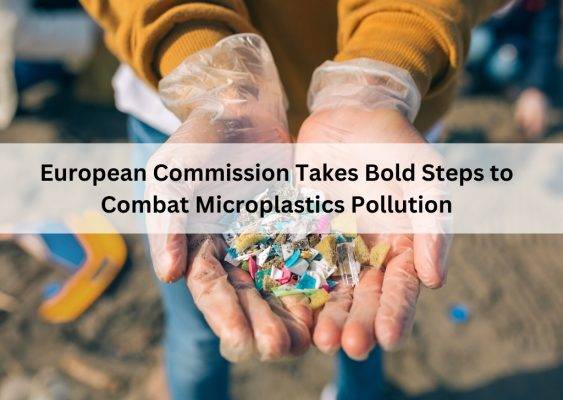
On September 27, 2023, the European Commission made a noteworthy move to combat microplastic pollution. They introduced an amendment to Regulation (EC) No 1907/2006 (REACH) to restrict the intentional use of microplastics. This addition is part of Annex XVII under the EU REACH chemical legislation and focuses on synthetic polymer microparticles. Specifically, it restricts synthetic polymer particles below five millimeters in size that are organic, insoluble, and resistant to degradation. An estimated 145,000 tonnes of microplastics are used annually in Europe and the European Economic Area (EEA). Once released into the environment, microplastics pose a significant challenge as they do not easily biodegrade. They accumulate in terrestrial and aquatic ecosystems, potentially entering the food chain, including human consumption. Moreover, their presence results in persistent pollution within our ecosystems and food chains. The new regulations prohibit the sale of products containing microplastics and the sale of microplastics themselves. This affects various products, including cosmetics, detergents, fabric softeners, glitter, toys, medicine, medical devices, fertilizers, and artificial sport surface infill material. Notably, the ban on microbeads in cosmetics takes effect immediately, without a transition period. Certain products are exempt from the sales ban, including those that do not release microplastics or can minimize their release, products used at industrial sites, and products already regulated by other EU legislations. However, manufacturers of exempted products are obliged to report estimated microplastic emissions annually to the European Chemicals Agency (ECHA), along with usage and disposal instructions. Products where microplastics are unintentionally present, such as sludge or compost, fall outside the scope of these regulations. The initial measures, including the ban on loose glitter and microbeads in cosmetics, become effective on October 17, marking the entry into force of the restriction. Transition periods are provided for other affected stakeholders to allow them time to develop and switch to alternatives. ComplianceXL offers consulting services to assist companies in complying with the REACH Regulation concerning microplastics. We aid in collecting data on products containing microplastics to ensure proactive compliance with these new regulations. Our services help customers meet regulatory milestones and maintain up-to-date compliance data management practices. FAQs: 1.What is the transition period given for infill material for sport pitches? The ban applies after 8 years to give pitch owners and managers the time to switch to alternatives. 2.What are major concerns caused by Microplastics? Microplastics are not biodegradable and have been found even in food and drinking water. It contributes permanent pollution to our eco systems.
PFHxS Added to the POPs Regulation: What You Need to Know
In a significant environmental development, the European Union (EU) regulatory update has expanded its persistent organic pollutants (POPs) Recast Regulation to encompass PFHxS, along with its salts and related compounds. This legislative expansion came into force on August 28, 2023. Persistent organic pollutants (POPs) represent a class of toxic chemicals that can be either naturally occurring or synthetic. These substances share traits of being persistent, bioaccumulative, semi-volatile, and intrinsically highly toxic. The EU’s POPs Regulation, originally established in 2019, is designed to restrict and, in some cases, prohibit the production, market presence, and utilization of POPs. Perfluorohexane sulfonic acid (PFHxS) is a member of the per- and polyfluoroalkyl substances (PFAS) family, serving as an alternative to perfluorooctane sulfonic acid (PFOS) and perfluorooctanoic acid (PFOA). PFHxS finds widespread application in various industries, including firefighting foams, metal plating, textiles, leather, polishes, cleaning agents, coatings, and electronics. The presence of PFHxS and similar substances poses a direct threat to human health and the environment, accumulating within the bodies of both humans and wildlife and contributing to global pollution. On August 8, 2023, the European Commission introduced a revised amendment (EU) 2023/1608 to the EU Persistent Organic Pollutants (POPs) Regulation 2019/1021. This amendment specifically integrates perfluorohexane sulfonic acid (PFHxS), its salts, and PFHxS-related compounds into the regulation, with particular provisions for intermediate use or specific scenarios. The limits established for PFHxS, its salts, and related compounds in substances, mixtures, and articles are as follows: PFHxS or any of its salts: ≤ 25 ppb (0.025 mg/kg) PFHxS-related compounds: ≤ 1 mg/kg (sum). PFHxS in firefighting foam mixtures: ≤ 0.1 mg/kg ComplianceXL extends its support to companies seeking PFAS compliance. We offer consulting services in this domain and assist with the collection of PFAS declarations from vendors. Additionally, we help our clients with maintaining up-to-date certificates and declarations from their suppliers, ensuring a robust compliance data management strategy. FAQs 1. What are PFHxS and PFHxS-related compounds means? Perfluorohexane sulfonic acid (PFHxS) including any of its branched isomers. PFHxS-related compounds are substances that degrade to PFHxS, including substances that contain the chemical moiety C6F13S- as one of its structural elements. 2. What is the limit set for PFHxS in firefighting foams? The limit set for PFHxS in firefighting foams is ≤ 0.1 mg/kg
Mastering CBAM Reporting : Your Guide to the Transitional Phase
The Carbon Border Adjustment Mechanism (CBAM) is a significant tool employed by the European Union (EU) to combat carbon leakage and establish a fair price for carbon emissions associated with the production of carbon-intensive goods entering the EU. It also aims to encourage cleaner industrial production practices in non-EU countries. On August 17, 2023, the European Commission introduced the rules governing the implementation of the Carbon Border Adjustment Mechanism (CBAM) during its transitional phase, scheduled to begin on October 1, 2023, and run until the end of 2025. CBAM reporting obligations are set to commence from October 1, 2023. Regulation (EU) 2023/956 outlines the reporting requirements for the Carbon Border Adjustment Mechanism during this transitional period. The primary goal of this transitional phase is to act as a pilot and a learning period for all stakeholders, including importers and producers, to gather valuable information about the embedded greenhouse gas emissions in their products. It is essential to note that CBAM is designed to be in compliance with WTO rules. For companies and importers of CBAM goods operating in the EU, staying well-informed about regulatory developments is of utmost importance. It is vital to start evaluating the overall impact of these regulations on their business activities, as it can significantly influence their sourcing and supply chain operations. The initial phase of CBAM will encompass sectors such as Cement, Iron & Steel products, Aluminium products, Fertilizers, Electricity, and Hydrogen. Once the permanent CBAM system is enacted on January 1, 2026, importers will be required to declare the quantity of goods imported into the EU for the previous year and disclose their embedded Green House Gas emissions annually. They will then need to surrender the corresponding number of CBAM certificates, which will be traded on a common central platform established by the European Commission. At ComplianceXL, we offer consulting services to companies navigating the complex landscape of CBAM Regulation. We assist in gathering the necessary data for CBAM goods to proactively comply with the proposed regulations. Our services also help customers meet regulatory milestones and ensure they remain up-to-date as part of their compliance data management strategy. FAQs: 1. What is CBAM? Carbon Border Adjustment Mechanism regulates greenhouse gas emissions embedded in certain goods, upon their importation into the customs territory of the European Union (EU), with the purpose of preventing the risk of carbon leakage. 2. What is the obligation of EU importer under CBAM? EU importer of goods covered by CBAM declares the emissions embedded in its imported goods and surrenders corresponding numbers of CBAM certificate each year.
EU Green Deal and Its Transformative Impact on the Cosmetics Industry
According to a recent study by Cosmetics Europe, 72% of European consumers highly value cosmetics and personal care products in their daily lives. These products, ranging from lotions to powders, not only enhance skin appearance and scent but also play a significant role in cleansing, protecting, and moisturizing the skin. With the potential to improve the quality of life, boost self-esteem, and facilitate social interactions, it is essential to ensure that cosmetic products and their ingredients are environmentally safe. The European Green Deal and Its Implications: As the world faces alarming climatic challenges, maintaining a healthy climate has become a top priority for individuals worldwide. Europe, as a continent, has taken a significant step in this direction with the initiation of the European Green Deal. This proposal aims to transform the EU into an eco-friendly and competitive economy by generating a new growth strategy. By 2050, the European Green Deal envisions achieving net-zero greenhouse gas emissions. While the EU cosmetic industry embraces the Green Deal and its goals, it also acknowledges the challenges that accompany its implementation. Protecting Consumer Safety and Health: The primary objective of cosmetic safety assessment within the EU is to safeguard consumer health and safety. Since cosmetics, including skincare, haircare, makeup, and personal hygiene products, come into direct contact with the skin and mucous membranes, it is vital to ensure that they do not contain non-compliant ingredients or formulations that could lead to adverse reactions, allergies, or even serious health hazards. Cosmetics Europe’s Suggestions for Enhanced Safety and Compliance: To prevent unnecessary negative impacts, Cosmetics Europe has outlined several factors that the European Commission should consider when revising the current Cosmetic Products Regulation (CPR). These propositions include promoting a globally sustainable competitive cosmetics sector, fostering entrepreneurship and innovation, and strengthening the effectiveness of the CPR. Additionally, Cosmetics Europe emphasizes the need to maintain the “Gold Standard” of the CPR as an international reference, given the history of high safety levels achieved by European cosmetic products. The Impact on Cosmetic Ingredients and Packaging: Within this initiative, the focus on cosmetic ingredients and packaging becomes evident. Companies will now be encouraged to invest in cosmetic raw materials and packaging that are both safe for consumers and sustainable for the environment throughout their lifecycle. Holistic assessments based on scientific evidence will be crucial to determine the environmental impact caused by cosmetic and personal care products. By implementing rigorous safety assessments, the EU aims to minimize potential risks and build consumer trust. Benefits and Expectations: The EU’s commitment extends to transforming the economy for a sustainable future, improving the climate by 2030 and 2050, and fostering research and innovation in the cosmetics industry. The ambition is to have a toxic-free environment with zero pollution, as well as the preservation and restoration of ecosystems and biodiversity. This initiative empowers consumers to embrace the green and digital transitions. As the cosmetics industry continues to evolve dynamically, it has an important role to play in environmental initiatives. While the implementation of the European Green Deal is still in its initial phase, the upcoming regulatory changes in the cosmetics and consumer industry are inevitable. By prioritizing safety, compliance, and sustainability, the industry will continue to deliver safe, compliant, and effective products. The EU Green Deal sets high expectations for the industry’s contribution towards a greener future, making it essential for companies to align with its principles for long-term success. As the regulatory landscape evolves with the EU Green Deal,it becomes crucial for businesses to stay compliant with established regulations in the EU market. ComplianceXL provides a wide range of compliance services to assist organizations in effectively managing compliance requirements. Our team of experts will guide your company in complying with storage and disposal regulations to ensure a safe and accident-free environment. Contact Compliance XL today for efficient and hassle-free compliance services. FAQs 1. What is importance of the EU Green Deal? The European Green Deal is a package of policy initiatives, which aims to set the EU on the path to a green transition, with the goal of reaching climate neutrality by 2050. It supports the transformation of the EU into a fair and prosperous society with a modern and competitive economy. 2. What is green deal with the EU? The European Green Deal – A commitment to future generations. No net emissions of greenhouse gas emissions by 2050. Economic growth decoupled from resource use. No person and no place left behind. 3. How many countries are in the European Green Deal? 27 EU countries are preparing for 2050. The European Union’s investment and reform plan to achieve zero emissions in mobility, agriculture, construction, and industry. Contact one of our compliance specialists today!!! Contact Us
SCIP Database Submission Timelines, To Be Compliant With European Commission And ECHA Regulations

As per the European Commission and European Chemicals Agency (ECHA), the Substances of Concern in Articles or Products (SCIP) database requirements are required to be completed and submitted by January 5th, 2021. Group of industries had requested to delay the EU Waste Framework Directive (WFD) by 12 months. However, the timeline to transpose EU WFD requirements into national law remained the same on July 5th, 2020. The delay request made to the European Commission also included re-evaluating the efficiency of the SCIP database, including its usefulness, feasibility, proportionality, and impacts. The European Commission and ECHA stand firm on the requirements of EU WFD while creating the SCIP database. According to the European Commission, the group of industries was informed about this submission timeline on May 30th, 2018. The SCIP database ensures that information on articles containing Candidate List substances is available throughout the whole lifecycle of products and materials, including at the waste stage. The information in the database is then made available to waste operators and consumers. Member states will establish enforcement of SCIP data requirements as mandated in the EU WFD. . Besides, the European Environmental Bureau and Client Earth, 49 other non-government organizations (NGO) have supported the decision of the European Commission and ECHA. ECHA published results of an enforcement pilot conducted between the period of October 2017 and December 2018 on November 6th, 2019. According to the findings, 12% of the articles published contained the Candidate list substances above the 0.1% weight by weight (w/w), threshold 88% of those failed to submit the right data to customers. The intention of creating the SCIP database is to maintain data and public transparency. SCIP database is the first digitally available enforcement mechanism that helps to create this kind of transparency. Starting from January 2021. Enforcement agents can hold companies accountable for the responsible handling of each component in their products. This includes every stage starting from raw materials to component recycling or disposal. As per the estimates, it could cost companies manufacturing or selling in Europe Billions of Euros per year to collect, prepare and submit the data required to meet new reporting obligations and ensure continued access to the European markets. Companies are now trying to organize, streamline, and automate the complex process of SCIP database submission. The intention is to make things simpler and allow seamless submission of the SCIP database within the set timelines. The European Commission and ECHA are trying to regulate the process. The SCIP database requires complex data sets for each article containing SVHCs above the threshold, presenting a substantial data burden to companies. Enventure offers a managed solution with your current compliance programs and efficiently scope your supply chain for all SCIP requirements and manage your submission from data acquisition to final upload. Talk to our SCIP Specialist today.