
Comprehensive Risk Evaluation for Asbestos
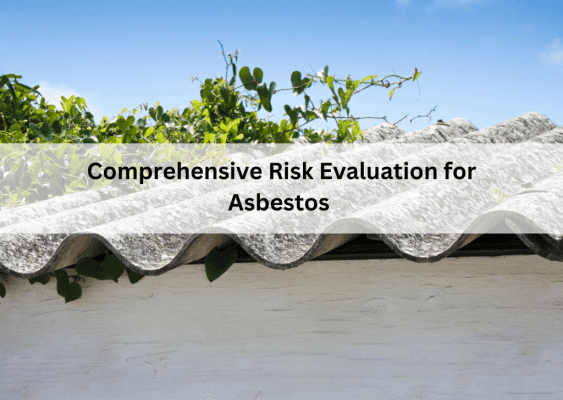
In a bid to protect public health and the environment, the U.S. Environmental Protection Agency (EPA) has undertaken a comprehensive quantitative analysis of the risks associated with asbestos exposure. This evaluation, conducted under the Toxic Substances Control Act (TSCA), aims to shed light on the dangers posed by asbestos, with a particular focus on chrysotile, the most used form of asbestos in the United States. In this blog post, we delve into the key findings of the EPA’s Risk Evaluation for Asbestos: Part 2 and how it impacts both industry and individuals. We’ll also explore how organizations like Compliancexl are assisting in managing asbestos exposure risks. Common Usage of Asbestos in the United States Chrysotile, a type of asbestos, is prevalent in various industries across the United States, especially in manufacturing, processing, and distribution. Its primary application lies within the chlor-alkali industry. However, the EPA’s Risk Evaluation for Asbestos reveals alarming findings: asbestos poses unreasonable risks to workers, occupational non-users, consumers, and bystanders due to the chemicals it contains, impacting both human health and the environment. Understanding the EPA’s Assessment The EPA’s assessment is a two-part endeavour. Part 1 scrutinized 32 different conditions of asbestos use, providing crucial insights into its risks. To ensure safety, users are strongly advised to adhere to safety data sheets and labels when handling asbestos-containing products. In Part 2, the EPA widened its scope to include various asbestos types such as chrysotile (serpentine), crocidolite (riebeckite), amosite (cummingtonite-grunerite), anthophyllite, tremolite, actinolite, and Libby Amphibole Asbestos, along with its constituents. The goal is to establish regulations and rules under TSCA 6(a) to eliminate these unreasonable risks. The Impact on Health and Safety The risks associated with asbestos are far-reaching, contributing to severe health issues like lung cancer, mesothelioma, and asbestosis. By taking proactive measures to eliminate these unreasonable risks, the EPA aims to safeguard the health and well-being of individuals who may come into contact with asbestos-containing materials. EPA’s Commitment to Public Engagement To ensure a transparent and inclusive process, the EPA has released a white paper on Risk Evaluation for Asbestos: Part 2. Furthermore, a draft will be made available for public comment later this year. The EPA values feedback, comments, and suggestions from the public and relevant stakeholders, which will be considered in the finalization of actions and rules to mitigate the risks associated with asbestos use and disposal. Amid these developments, Compliancexl stands ready to assist organizations in recognizing the health and safety risks associated with asbestos while aiding their efforts to comply with regulatory requirements. Our comprehensive services ensure that organizations understand and adhere to the regulations surrounding asbestos exposure. In conclusion, understanding the risks associated with asbestos is of utmost importance. Through the EPA’s extensive Risk Evaluation for Asbestos, complemented by the expertise of Compliancexl, we can effectively mitigate these risks and prioritize the well-being of individuals and the environment. FAQs : 1. What are the risks associated with ASBESTOS usage and disposal? ASBESTOS pose unreasonable risks. Asbestosis, mesothelioma, and lung cancer are among them. 2. To reduce risks, what steps have been taken? The Environmental Protection Agency will propose rules to reduce the use of chemicals or substitute alternatives for ASBESTOS. Contact one of our global compliance specialists today! Contact Us
EPA’s Asbestos Alert: Safeguarding Health through Compliance
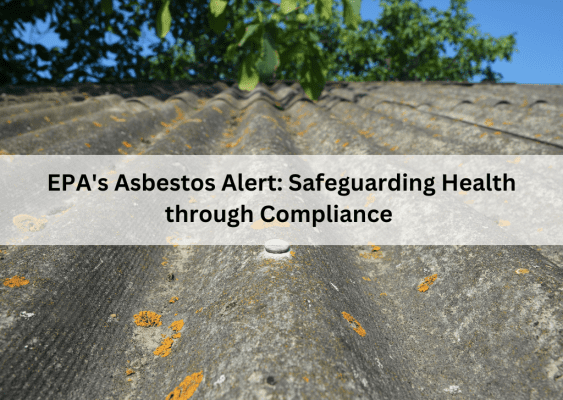
Asbestos is a fibrous silicate mineral found in six types: Chrysotile, amosite, crocidolite, anthophyllite, tremolite, and actinolite. Asbestos is used in various commercial products to strengthen cement, fireproof buildings, and create textiles. TSCA Section 8(a) empowers environmental protection agencies to establish rules requiring small manufacturers to comply. It is a highly toxic mineral that finds widespread use in many industries due to its hazardous properties. Asbestos exposure can lead to lung cancer, mesothelioma, and asbestosis, particularly in the United States due to significant exposure. Thus, this regulation falls under the jurisdiction of TSCA. The Environmental Protection Agency(EPA) strongly recommends that organizations adhere to the instructions on product labels and safety data sheets. Safety data sheets and labels should always be carefully read by individuals working with asbestos. To substantially reduce the risk of asbestos exposure, the EPA should prohibit the production and use of Chrysotile asbestos and products containing asbestos. Asbestos risk can be effectively managed through these potential solutions, which challenge TSCA. Through comprehensive bans, harmonization of state laws, and increased public awareness, efforts are aimed at better handling asbestos risks and safeguarding public health. For TSCA compliance, the EPA was permitted to utilize existing chemicals like asbestos. Numerous benefits are associated with TSCA regulations, including safeguarding human health, ensuring enforcement and compliance, and exerting international influence. The primary objective of asbestos is to eliminate the established cause of mesothelioma, a rare yet preventable cancer. Asbestos represents the most common lung hazard that can be avoided. The ComplianceXL team recognizes the significant health and safety risks posed by asbestos exposure. Furthermore, we assist organizations in conforming to asbestos exposure regulations before making any updates. Reach out to us today! FAQs: 1. Which industries have used asbestos? Industries utilizing asbestos include fireproof building, textiles, military vehicles, vehicle friction products, and other gaskets. 2. What are the types of asbestos? There are six types of asbestos: Amosite, Chrysotile, Crocidolite, Tremolite, Actinolite, and Anthophyllite. 3. Where is asbestos used? Asbestos is employed in a wide range of household and building materials, such as pipe and boiler insulation, floor tiles, wall and ceiling materials (including decorative and acoustical plasters), and exterior siding and roofing materials.
Asbestos Exposure: Unraveling the Hidden Threats
A group of six naturally occurring, fibrous, silicate minerals known as asbestos appears chemically inert, or as close as possible to that. Most substances do not react with them, and neither do they dissipate nor burn. Chrysotile’s outer brucite layer loses magnesium in acidic and neutral aqueous solutions. Asbestos is a contaminant of water, air, and soil when it is used in construction, mining, demolition, and manufacturing activities. The asbestos contain long-lasting fibers that penetrate deeply into the lungs, resulting in mesothelioma, asbestosis, or lung cancer, and other illnesses. Therefore, several jurisdictions around the world have banned its use. Regulatory history In 1973, the Environmental Protection Agency prohibited spray-applied asbestos-containing insulation and fireproofing. Asbestos block insulation and asbestos pipe insulation were prohibited in 1975 by the Environmental Protection Agency. In 1989, the EPA issued a final rule under Section 6 of the Toxic Substances Control Act (TSCA) outlawing most asbestos-containing products. However, most of the original ban on the importation, manufacture, or distribution in commerce of most asbestos-containing products originally covered by the 1989 final rule was overturned in 1991. A final rule issued by EPA in April 2019 strengthens its ability to rigorously review an extensive list of asbestos products that have been removed from the market. The U.S. government had to approve the sale before it could be resold. As a result, the EPA now has the authority to prohibit the use of these products or impose limitations to protect public health. Types of Asbestos These can be divided into two groups: serpentine and amphibole. Amphibole Asbestos Amphibole asbestos fibers are straight and jagged. Crocidolite Amosite Anthophyllite Tremolite Actinolite Serpentine Asbestos Chrysotile asbestos is the only serpentine type, and this also known as “white asbestos”. Which Industries are affected by the asbestos ban? Industries involved in the manufacture of high-temperature products and materials will be affected. The asbestos ban may have an impact on businesses involved in mining, mineral processing, and construction. Construction products and machinery carry asbestos because it is an effective insulator. They become even more durable when asbestos is used in products like cloth, paper, cement, and plastic. Asbestos is regulated by EPA (Environmental protection agency), and the main priority is to protect the public from the adverse health effects of asbestos, a known carcinogen. asbestos was one of the first ten chemicals selected by the EPA to undergo risk evaluation under TSCA. The prevention of asbestos exposure is crucial in protecting people’s health. It is advised to obtain professional assistance with testing, risk assessment, and safe removal if you suspect asbestos in your surroundings. Conclusion: ComplianceXL provides organizations with the consulting to understand the guidelines setup by the EPA pertaining to asbestos risk assessments. As a team of compliance specialists, we evaluate each new regulation introduced by regulatory authorities and each revision made by these authorities from time to time. FAQs: Q: What is asbestos exposure? A: Asbestos exposure occurs when someone inhales or ingests tiny asbestos fibers, which can cause serious health problems. Q: What are the health risks of asbestos exposure? A: Asbestos exposure can cause lung cancer, mesothelioma, and other respiratory diseases.
Everything about EPA draft scope for disposals of Asbestos
Asbestos Risk Evaluation Part 2: Supplemental Evaluation for Legacy Uses and Associated Disposals of Asbestos Published by EPA. On December 29, 2022, the U.S. Environmental Protection Agency (EPA) announced publication of the Draft Scope of the Risk Evaluation for Asbestos Part 2 (Draft Scope) for public comment). The EPA is currently evaluating the conditions of use of asbestos in Part 2 of the risk assessment, which will include evaluating other types of asbestos fiber, in addition to chrysotile, that were excluded from part 1 of the risk assessment due to their legacy uses and associated disposals, as well as any conditions of use of asbestos in talc and talc-containing products as discussed in this report. As part of the draft scope of their risk evaluation process, EPA plans to consider the conditions of use, hazards, exposures, as well as the Potentially Exposed or Susceptible Subpopulations (PESS) affected by this asbestos. EPA has started a 45-day public comment period on the Draft Scope so that the public can provide additional information, such as additional data, that may be helpful to EPA as it prepares the final scope of this risk assessment. The deadline for submitting comments to this draft scope is February 14, 2022. In 2019, EPA continued developing the risk assessment focused on chrysotile asbestos. EPA has decided to release the full asbestos risk assessment in two parts. As reported in our January 4, 2021 issue, EPA is expected to release its final risk assessment for Asbestos, Part 1: Chrysotile Asbestos in December of 2020. Therefore, this allows EPA to move expeditiously into risk management in order to address the unreasonable risks identified in Part 1. According to the EPA, the final Part 2 Risk Evaluation for Asbestos must be published by December 1, 2024, at the latest. In Part 2, the EPA plans to evaluate legacy uses of asbestos in the industrial, commercial, and residential sectors, as well as disposal practices associated with them. As part of the life cycle assessment, EPA will evaluate the conditions of use for the use and disposal phases. In addition to manufacture, processing, and distribution, where information implicates asbestos in talc, the conditions of use may also include the manufacture, processing, and distribution of talc. As stated in the Draft Scope of Work, EPA intends to evaluate human and environmental exposures to asbestos and to evaluate releases to the environment resulting from the conditions of use of asbestos. Additionally, more information will be gathered through systematic review, which will also supply additional context for expected exposures. As part of the Part 2 risk assessment, the EPA will first evaluate the following pathways, routes, receptors, and PESS: Occupational exposure: The EPA would like to evaluate worker and occupational non-user (ONU) exposure to asbestos via inhalation, dermal, and oral route as they relate to the use and disposal of asbestos, including any implicated conditions of use for talc that contains asbestos. Consumer and bystander exposure: Asbestos exposure will be evaluated from inhalation, dermal, and oral exposure for consumers and bystanders through the use of asbestos in construction, paint, electrical, metal products, furnishing, cleaning, and treatment care products; packaging, paper, plastic, toys, and hobby products, automotive, fuel, agriculture, and outdoor use products. In addition, the direct contact and/or oral contact of products or articles containing asbestos for consumers is not described by any other codes. We will also assess whether any conditions of use for talc containing asbestos have been implicated. General population exposures: It is planned that the EPA will evaluate asbestos exposure via oral routes from drinking water, surface water, groundwater, and soil; through inhalation routes from particulates found in ambient air, and through skin exposure; and via the dermal route from contact with drinking water, surface water, groundwater, and soil within part 2 of the risk evaluation. PESS: As part of the risk assessment, EPA plans to include children, workers, ONUs, consumers, people who smoke, and bystanders as potential receptors and PESS, as well as any other PESS identified in the screening and evaluation of reasonably available information; and Environmental exposure: Within the scope of Part 2, the EPA plans to evaluate exposure to asbestos both for aquatic and terrestrial receptors within the scope of the conditions of use. ComplianceXL offers strategic, business-oriented advice to the global chemical industry. It is our goal to assist large and small chemical companies whose activities and products may be subject to EPA’s broad chemical regulatory authority under the TSCA and state legislation on chemicals. Our global compliance experts are here to help you with any questions you may have.