
EPA Seeks Expert Peer Reviewers for DIDP and DINP Risk Evaluations
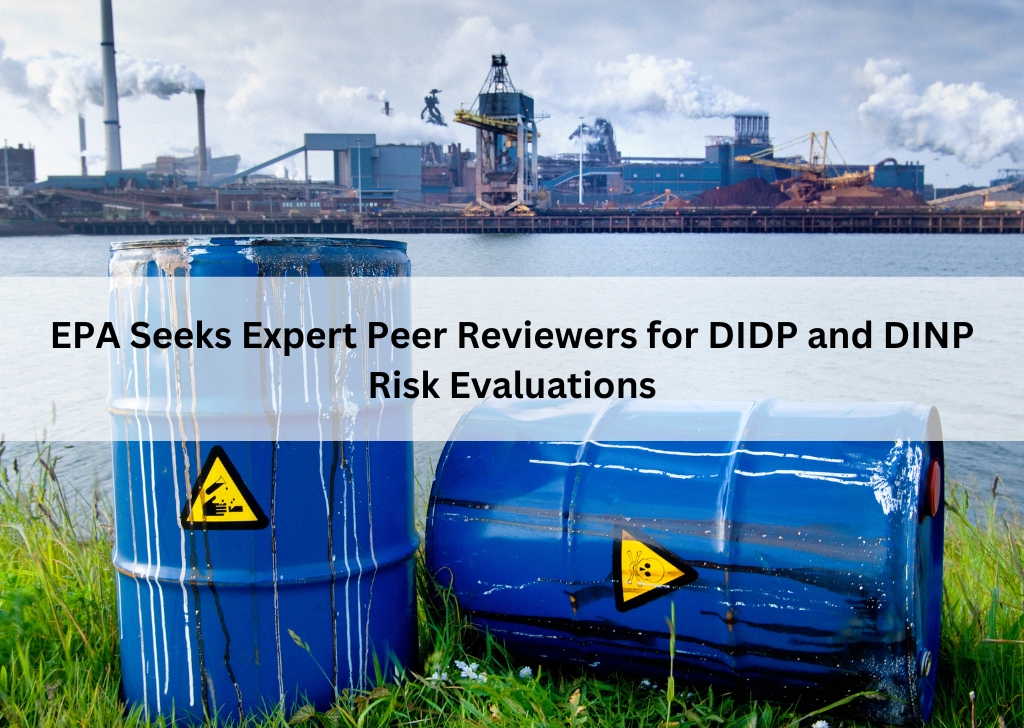
Under the mandate of the Toxic Substances Control Act (TSCA), the Environmental Protection Agency (EPA) is tasked with evaluating the potential health and environmental risks posed by chemicals in circulation. Among these, di-isodecyl phthalate (DIDP) and di-isononyl phthalate (DINP) have come under scrutiny due to their widespread use as plasticizers. However, despite the completion of draft risk evaluations for DIDP and DINP by the EPA, the crucial phase of independent scientific peer review remains pending. This essential process ensures that assessments are based on sound scientific methodology and incorporate the most reliable available data. To facilitate this peer review, the EPA is actively soliciting nominations of scientific experts to serve as ad hoc reviewers for the esteemed Science Advisory Committee on Chemicals (SACC). The SACC, renowned for its independent advisory role, is responsible for providing expert peer review specifically tailored to EPA’s chemical safety programs. The importance of having qualified independent experts critically analyze the draft risk evaluations for DIDP and DINP cannot be overstated. Such scrutiny ensures that the EPA’s decisions regarding risk management for these chemicals are grounded in robust and defensible science, thereby upholding the highest standards of scientific integrity and instilling increased confidence in the final evaluations. The EPA issued a Federal Register notice on February 29, 2024, inviting nominations of scientific experts specializing in areas such as toxicology, exposure assessment, and risk assessment to serve as ad hoc peer reviewers for the SACC committee. Nominations are due by April 1, 2024, with the SACC peer review public meeting scheduled for summer 2024. For companies grappling with EU regulations or requiring assistance in navigating compliance-related matters, ComplianceXL is poised to provide steadfast support. Our team of compliance specialists stands ready to undertake regulatory obligations on your behalf, ensuring seamless adherence to EU regulations. Don’t hesitate to reach out to us for expert guidance and support. FAQs: What is the role of the ad hoc peer reviewers? Ad hoc reviewers will meticulously evaluate EPA’s draft risk evaluations for DIDP and DINP, scrutinizing facets such as hazard assessment, exposure analysis, and risk characterization. Their insights and recommendations will be submitted to the SACC for consideration. Who is eligible to be nominated as a peer reviewer? EPA seeks experts from diverse fields including toxicology, epidemiology, risk assessment, exposure assessment, environmental fate and transport, and more. Both nationally and internationally recognized scientists are eligible for nomination. How can I submit a nomination? Nominations can be submitted through the SACC website at www.epa.gov/sacc by the April 1, 2024, deadline. Detailed instructions for the nomination process are outlined in the February 29th Federal Register notice. Will the peer review be open to the public? Yes, the SACC meeting scheduled for summer 2024 to peer review the DIDP and DINP evaluations will offer opportunities for public engagement, including written and oral comments.
EPA Finalizes New Use Rule (SNUR) for 329 PFAS under TSCA
U.S. Environmental Protection Agency (EPA) recently announced a Significant New Use Rule (SNUR) to prevent 329 PFAS that are not currently in use, from re-entering the marketplace and environment. The Final Rule covers 329 per- and poly-fluoroalkyl substances so-called “forever chemicals” that are targeted as “inactive” on the TSCA Inventory, and which are not part of the existing Significant New Use Rule (SNUR). This final rule will come into effect on March 11, 2024. A SNUR normally covers details about the activities involving the chemical which the EPA considers as significant new uses. When a chemical substance is included in a TSCA Significant New Use Rule (SNUR), any person who wants to produce, process, or import that chemical for a “significant new use” must notify EPA 90 days in advance. This means that anyone who wishes to manufacture/import/process one of the 300+ covered inactive PFAS inventories will be required to notify EPA 90 days before starting the activity. Once receives a notification, EPA must review and assess whether the new use may cause an unreasonable risk to health and the environment. EPA proactively prevents PFAS from entering the air, land, and water at levels that can adversely impact human health and the environment. This SNUR is necessary to make sure that EPA receives timely advance notice of any future manufacturing (including import) or processing of inactive PFAS for new uses that may produce changes in human or environmental exposures. This Final Rule strengthens the regulation of PFAS by preventing anyone from resuming manufacturing or processing inactive PFAS without EPA review. Compliance XL provides consulting services to companies in the field of TSCA, PFAS compliance, and the collection of supplier declarations. We also help customers regularly maintain their supplier certificates and declarations to ensure they are up to date as part of their compliance and data management strategy. FAQs 1.Which chemical substances are subjected to EPA SNUR under TSCA? 329 PFAS that are currently designated as inactive on the TSCA Inventory and that are not subject to an existing SNUR. 2.What are the exemptions that applies to inactive PFAS? Inactive PFAS present as impurities, byproducts not used for commercial purposes, R&D purposes, test marketing purposes, as non-isolated intermediates and solely for export from US.
EPA’s Bold Move to Safeguard Health with Stricter TCE Regulations
On October 31, 2023, the U.S. Environmental Protection Agency (EPA) introduced a proposed risk management rule under Section 6 of the Toxic Substances Control Act (TSCA), aiming to prohibit most applications of Trichloroethylene (TCE) within one year after the final rule’s publication. Despite offering an extended transition period, the proposed rule prioritizes near-term worker protections to minimize exposures. The deadline for public comments on this proposal is set for December 15, 2023. TCE, a volatile organic compound utilized in a broad spectrum of commercial and consumer products, including adhesives, sealants, paints, coatings, and applications in the automotive, transportation, security, and defense industries, is associated with significant non-cancer health effects. These effects include toxicity on organs such as the liver and kidney, reproductive and developmental toxicity, immune system impacts, neurotoxicity, and carcinogenicity through all exposure routes. Due to its adverse health effects, TCE is subject to various federal laws and regulations in the United States. In a proactive measure, the EPA is taking actions to prevent the increasing contamination of soil and groundwater by TCE. To address potential risks, the EPA’s proposed rule seeks to prohibit all manufacturing, including industrial and commercial imports, processing, and distribution of TCE. Additionally, it aims to restrict the disposal of TCE, providing a time-limited exemption for cleanup projects, and introduces recordkeeping and downstream notification requirements. The EPA asserts that within the proposed one-year timeframe, the majority of individuals likely to be exposed to TCE, including workers, consumers, and communities, would be protected. In response to these regulatory developments, Compliance XL offers TCE compliance consulting services, assisting companies in declaration collections, and maintaining up-to-date supplier certificates as part of their comprehensive compliance data management strategy. FAQs 1.What are the potential health risks of TCE? TCE is highly toxic chemical known to cause serious health risks including cancer, neurotoxicity, and reproductive toxicity. 2.What are the few applications of TCE? TCE is utilized in cleaning and furniture care products. It is also part of degreasers, brake cleaners, and tire repair sealants.
EPA Publishes Final Rule for PFAS Regulation under TSCA
On October 11, 2023, the Environmental Protection Agency (EPA) took a significant step by publishing the long-anticipated final rule on reporting and recordkeeping requirements for per- and polyfluoroalkyl substances (PFAS). This vital rule, initially introduced as a draft in June 2021, was mandated by the National Defense Authorization Act (NDAA) back in 2019. It establishes a comprehensive framework for the submission of PFAS manufacturing and importing data, encompassing the period from 2011 onward, even including PFAS integrated into imported articles. The EPA’s initiative is a proactive effort to curb the escalating levels of PFAS entering our air, water, and land. The PFAS reporting rule under the Toxic Substances Control Act (TSCA) Section 8(a)(7) is one of the pivotal measures. This rule applies to anyone who has been involved in the “manufacturing” of PFAS since January 1, 2011. Manufacturers and importers of PFAS into U.S. territory are mandated to provide comprehensive data within 18 months, with the deadline set for May 8, 2025. Notably, the rule encompasses articles or imported articles containing PFAS, even if PFAS is present as part of surface coatings. This regulatory reach extends to distributors and contract manufacturers importing materials containing PFAS. To encourage compliance, the EPA advises manufacturers to maintain meticulous records of their activities as evidence of due diligence. Moreover, companies are encouraged to retain supplier declarations asserting the absence of PFAS in their products, which could exempt them from reporting. It’s noteworthy that a majority of U.S. states—forty-six to be exact—have either enacted or proposed PFAS legislation, often featuring restrictions or reporting obligations. The EPA’s dedicated portal for PFAS reporting is scheduled to open on November 12, 2024, with submissions due by May 8, 2025. Small manufacturers, as defined within the regulation, may be granted an additional six months for reporting. Notable changes in the final rule include a slightly broader definition of “PFAS,” an extended timeframe for data collection and reporting (from 12 to 18 months), and revised criteria for reportable data. The option for joint submissions with suppliers has also been introduced. At Compliance XL, we stand ready to assist companies with PFAS compliance. We offer comprehensive consulting services and facilitate the collection of PFAS declarations. Furthermore, we aid our clients in maintaining up-to-date certificates and declarations from their suppliers, ensuring a robust compliance data management strategy. Learn more about our PFAS compliance services. The EPA’s rule is more than just a regulatory requirement; it’s a vital step toward addressing PFAS and safeguarding our environment. FAQs 1. Who are exempted from report obligations under TSCA 8(a)(7)? Companies that have not “manufactured” PFAS since 2011 Importers of municipal solid waste streams for the purpose of disposal or destruction of the waste A federal agency that imports PFAS 2. What is the change in the timeframe for reporting as per final rule of EPA? Timeframe has been expanded from 12 months to 18 months.
Comprehensive Risk Evaluation for Asbestos
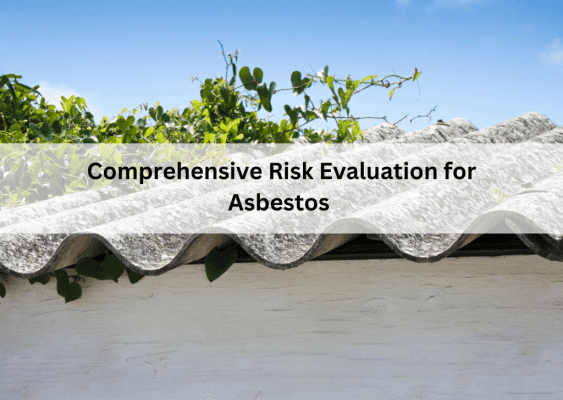
In a bid to protect public health and the environment, the U.S. Environmental Protection Agency (EPA) has undertaken a comprehensive quantitative analysis of the risks associated with asbestos exposure. This evaluation, conducted under the Toxic Substances Control Act (TSCA), aims to shed light on the dangers posed by asbestos, with a particular focus on chrysotile, the most used form of asbestos in the United States. In this blog post, we delve into the key findings of the EPA’s Risk Evaluation for Asbestos: Part 2 and how it impacts both industry and individuals. We’ll also explore how organizations like Compliancexl are assisting in managing asbestos exposure risks. Common Usage of Asbestos in the United States Chrysotile, a type of asbestos, is prevalent in various industries across the United States, especially in manufacturing, processing, and distribution. Its primary application lies within the chlor-alkali industry. However, the EPA’s Risk Evaluation for Asbestos reveals alarming findings: asbestos poses unreasonable risks to workers, occupational non-users, consumers, and bystanders due to the chemicals it contains, impacting both human health and the environment. Understanding the EPA’s Assessment The EPA’s assessment is a two-part endeavour. Part 1 scrutinized 32 different conditions of asbestos use, providing crucial insights into its risks. To ensure safety, users are strongly advised to adhere to safety data sheets and labels when handling asbestos-containing products. In Part 2, the EPA widened its scope to include various asbestos types such as chrysotile (serpentine), crocidolite (riebeckite), amosite (cummingtonite-grunerite), anthophyllite, tremolite, actinolite, and Libby Amphibole Asbestos, along with its constituents. The goal is to establish regulations and rules under TSCA 6(a) to eliminate these unreasonable risks. The Impact on Health and Safety The risks associated with asbestos are far-reaching, contributing to severe health issues like lung cancer, mesothelioma, and asbestosis. By taking proactive measures to eliminate these unreasonable risks, the EPA aims to safeguard the health and well-being of individuals who may come into contact with asbestos-containing materials. EPA’s Commitment to Public Engagement To ensure a transparent and inclusive process, the EPA has released a white paper on Risk Evaluation for Asbestos: Part 2. Furthermore, a draft will be made available for public comment later this year. The EPA values feedback, comments, and suggestions from the public and relevant stakeholders, which will be considered in the finalization of actions and rules to mitigate the risks associated with asbestos use and disposal. Amid these developments, Compliancexl stands ready to assist organizations in recognizing the health and safety risks associated with asbestos while aiding their efforts to comply with regulatory requirements. Our comprehensive services ensure that organizations understand and adhere to the regulations surrounding asbestos exposure. In conclusion, understanding the risks associated with asbestos is of utmost importance. Through the EPA’s extensive Risk Evaluation for Asbestos, complemented by the expertise of Compliancexl, we can effectively mitigate these risks and prioritize the well-being of individuals and the environment. FAQs : 1. What are the risks associated with ASBESTOS usage and disposal? ASBESTOS pose unreasonable risks. Asbestosis, mesothelioma, and lung cancer are among them. 2. To reduce risks, what steps have been taken? The Environmental Protection Agency will propose rules to reduce the use of chemicals or substitute alternatives for ASBESTOS. Contact one of our global compliance specialists today! Contact Us
Environment Protection Agency (EPA) proposes to ban perchloroethylene
To protect public health under the Toxic Substances Control Act (TSCA), the U.S. Environmental Protection Agency (EPA) proposed on June 8, 2023, that most uses of perchloroethylene (PCE), a chemical that poses serious health risks like neurotoxicity and cancer, be banned. The current proposal would prohibit all consumer uses, Under strict workplace controls, the Agency would be permitted to use industrial and commercial facilities for purposes related to national security, aviation, and other critical infrastructure. PCE is proposed to continue to be allowed for industrial and commercial use in petrochemical manufacturing, the production of coatings for aircraft skins, and vapor degreasing with PCE to manufacture aerospace parts and engines. PCE is used for various modern applications, including brake cleaners, cement, and cleaning. PCE is generally dissolvable. PCE, for instance, is a chemical intermediate used in the production of two chemicals governed by the American Innovation and Manufacturing Act. PCE can be combined with other substances to produce more climate-friendly refrigerants, so this rule proposes to allow PCE to be processed to produce hydrofluorocarbons (HFC)-125 and HFC-134a under strict workplace controls. According to EPA, PCE could pose a significant health risk to workers, nonclients (laborers near the compound but not participating in this one), shoppers, and people close to a buyer’s use. The Environmental Protection Agency (EPA) warns that exposure to inhalation or dermal exposure could lead to neurotoxicity or cancer. It is expected that the proposed rule’s prohibitions and other requirements will significantly reduce risks for neighbouring communities. However, the agency only identified a small number of instances where fence-line communities may be at risk. According to the EPA’s proposed risk management rule, PCE production, processing, and distribution for all consumer and industrial uses would be rapidly phased out. Most of these uses will be phased out within 24 months. PCE’s proposed prohibitions only apply to uses that account for less than 20% of its annual production. There are reasonable alternatives to PCE with comparable costs and efficacy, according to EPA’s analysis. It intends to ban most of these uses. According to the Environmental Protection Agency (EPA), PCE use in dry cleaning will be phased out over ten years, with compliance dates varying by machine type. Those who work at dry cleaning facilities or spend a lot of time there would not face an unreasonable risk if PCE were phased out. Stakeholders have already observed a decline in PCE use in dry cleaning. As a result of this phaseout period, dry cleaners, many of whom are small businesses, will have time to switch to another method. In his budget request for Fiscal Year 2024, President Biden requested funding for pollution prevention grants. By providing grants, small businesses can transition to TSCA-compliant practices and reduce their economic impact. By implementing these grants, small businesses like dry cleaners could move away from PCE. Several workplaces already have controls in place that may reduce exposures sufficiently to meet the proposed rule’s inhalation exposure limit, according to industry data. As a result, PCE may not come into contact with their skin. Comments on it will be accepted by EPA for 60 days via docket EPA-HQ-OPPT-2020-0720 at www.regulations.gov. Therefore, the United States Environmental Protection Agency (EPA) is taking a significant step toward protecting public health by proposing a ban on perchloroethylene (PCE). The EPA’s risk management rule aims to reduce PCE’s serious health risks, such as neurotoxicity and cancer, by banning most of consumer use. While industrial and commercial uses of PCE will be allowed under strict workplace controls, the EPA’s analysis shows that there are viable alternatives to PCE for most prohibited uses. In conjunction with pollution prevention grants and existing workplace controls, the ten-year phaseout of PCE in dry cleaning ensures a smoother transition and reduces the impact on small businesses. Keeping up with regulatory updates and maintaining compliance is our mission at ComplianceXL. It is more important than ever for us to remain compliant with TSCA amendments. Regulations are constantly changing, and it is our team’s responsibility to keep up with them. By analyzing current practices, evaluating impacts, and implementing appropriate measures, we help organizations understand the impact. Call us today to speak with one of our TSCA Compliance specialists.
Decoding the EPA’s Latest proposal to amend TSCA Chemical Regulation
On May 26, 2023, the U.S. Environmental Protection Agency (EPA) proposed amendments to the regulations governing new chemicals under the Toxic Substances Control Act (TSCA). The purpose of these amendments is to align the regulations with the amendments made to the TSCA in 2016 and improve the efficiency of EPA’s review process for new chemicals. The existing regulations for new chemicals under the TSCA needed to be updated to match the amendments made in 2016. There was a need to enhance the efficiency of the EPA’s review process for new chemicals and reduce the need for redoing risk assessments. The proposed amendments to the regulations aim to address the identified problems. Changes include requiring EPA approval of low volume exemptions (LVE) and low release and exposure exemptions (LoREX) before manufacturing begins, excluding per- and polyfluoroalkyl substances (PFAS) from these exemptions, and declaring certain persistent, bioaccumulative, and toxic (PBT) chemical substances ineligible for exemptions based on EPA’s 1999 PBT policy. Procedural regulations are also being amended to align them with the amended TSCA Section 5, specifying EPA’s required determinations on each notice before manufacturing or processing can commence. The proposed amendments are expected to improve the efficiency and effectiveness of the EPA’s review process for new chemicals. By improving the initial information submitted in new chemical notices, the need for redoing risk assessments can be reduced, shortening the overall review time. The amendments also address issues related to low volume and low release and exposure exemptions, PFAS, and PBT chemical substances. The ComplianceXL team is your trusted partner when it comes to navigating regulatory updates and ensuring compliance. Staying compliant with the proposed TSCA amendments is more important than ever. It is our team’s responsibility to stay on top of regulatory changes, including proposed amendments to TSCA regulations that will align them with EPA’s review process and enhance the process. Our tailored solutions assist organizations in understanding the impact, evaluating current practices, and implementing necessary measures. Talk to one of our TSCA Compliance specialists today. FAQs Q: What are the proposed changes to the regulations for low volume exemptions and low release and exposure exemptions? A: The proposed changes require EPA approval of exemption notices before manufacturing begins, make PFAS ineligible for these exemptions, and declare certain PBT chemical substances ineligible based on EPA’s 1999 PBT policy. Q: How will the proposed amendments improve the EPA’s review process for new chemicals? A: The proposed amendments aim to reduce the need for redoing risk assessments by improving the initial information submitted in new chemical notices. This improvement will help shorten the review time. Q: What are the expected benefits of these proposed amendments? A: The proposed amendments are expected to enhance the efficiency and effectiveness of the EPA’s review process for new chemicals. They will streamline the assessment of new chemical substances, reducing the time required for reviews and improving the overall process.
EPA Proposes TSCA to prohibit Methylene Chloride
To safeguard human health, the EPA proposed on April 20, 2023, to prohibit most methylene chloride applications. In the revised method established by the Frank R. Lautenberg Chemical Safety for the 21st Century Act passed in 2016, methylene chloride is the second chemical that is going through risk control in accordance with the revised method. Even though methylene chloride is clearly toxic to the body, exposure can result in severe health effects, even death. “For this reason, the EPA is taking action, proposing to outlaw most uses of this chemical, while enacting more rigorous regulations to reduce exposures elsewhere.” To safeguard employee health, workplace regulations are necessary. This historic proposed ban shows considerable advancement in our efforts to put new chemical safety safeguards in place. In addition, it takes long overdue steps to improve public health. Objective of this proposal To ensure that workers are not harmed when methylene chloride is used for its remaining consumer applications, the workplace must be protected by stringent safeguards. The use of methylene chloride in a variety of industrial and commercial applications should be outlawed. Regardless of how it is produced, processed, or distributed, the production, processing, and distribution of methylene chloride should be prohibited. Ensure that producers (including imports), processors, and wholesalers of methylene chloride inform the organizations they are supplying with methylene chloride of the disallowances and keep records of this information. Benefits/Effects/Impact Alternative products with “similar costs and efficacy… are generally available,” according to an EPA analysis. This historic ban proposal demonstrates significant progress in our efforts to implement new chemical safety safeguards and take long-overdue steps to improve public health protection. Similar to this, EPA is also recommending that particular uses of methylene chloride required by the National Aeronautics and Space Administration, the Department of Defence, and the Federal Aviation Administration continue with strict workplace controls because sufficient exposure reductions are possible in these highly sophisticated environments, thereby reducing risks to workers. Using exposure data from the Toxics Release Inventory over a six-year period, the EPA identified a small number of facilities as posing possible concerns to populations along fence lines. The restrictions in the EPA’s proposed rule would apply to the bulk of these facilities’ continuous methylene chloride usage, effectively removing any potential dangers to the nearby communities Conclusion: Compliance XL provides TSCA compliance consulting services and vendor TSCA declaration collections to companies. We also help businesses to maintain their suppliers’ certificates and declarations on a regular basis to ensure they are up-to-date as part of their compliance data management strategy. FAQs: 1. How does the Toxic Substances Control Act (TSCA) Section 6 work? Some chemicals are subject to import and export requirements under Section 6 of the Toxic Substances Control Act (TSCA). 2. How does TSCA Section 6 work? TSCA Section 6(a) requires EPA to address unreasonable risks of injury to health or the environment presented by a chemical substance under the conditions of use determined by the Administrator
EPA adds eight high priority chemicals for further testing under TSCA
The US Environmental Protection Agency (EPA) announced, on 24 March 2022, the results of a second round of tests under section 4 of TSCA (Toxic Substances Control Act). The purpose of this is to collect additional information on eight of the next 20 chemicals undergoing risk evaluation. They include six chlorinated solvents and two flame retardants. According to EPA, additional data on these chemicals is necessary and it is utilizing the authority in its TSCA test order to require companies to submit information regarding avian and aquatic environmental hazards and consumer exposure. This is the third time EPA has used section 4 of the amended TSCA to issue test orders. The EPA issued test orders in January 2021 for the same eight chemicals, which required that aquatic environmental hazards and worker exposures by inhalation and skin be tested. EPA’s risk evaluations of these chemicals will be robust, credible, and use the latest available data thanks to the information obtained from these orders. The process of developing section 4 test orders is complex, time-consuming, and resource-intensive since many scientific and regulatory aspects are involved. There is a document uploaded by EPA describing the development, draft, and issuance of section 4 test orders. EPA may require companies to submit existing data, if available, or to conduct new tests. Organizations are encouraged to form consortia to reduce costs and burden and avoid duplication of testing. The eight chemicals listed below are subject to section 4 test orders: Chlorinated Solvents 1,1,2-Trichloroethane 1,2-Dichloroethane 1,2-Dichloropropane Trans-1,2-Dichloroethylene o-Dichlorobenzene p-Dichlorobenzene Flame Retardants 4,4’-(1-Methylethylidene)bis[2,6-dibromophenol] (TBBPA) Phosphoric acid, triphenyl ester (TPP) In December 2019, TSCA designated eight chemicals as high priorities for risk evaluation. EPA issued final scope documents for these chemicals in September 2020. The next step in the process is to publish draft risk evaluations for public comment.
All you need to know about Draft FY 2022-2026 EPA Strategic Plan
The Draft FY 2022-2026 EPA Strategic Plan. 86 Fed. Reg. 54448. availability was announced by the U.S. Environmental Protection Agency (EPA), on October 1, 2021. EPA’s priorities and the roadmap for achieving its mission to protect human health and the environment is communicated by the draft Strategic Plan. Below are the goals with objectives outlined by the draft Strategic Plan. Goal 1: Climate Crisis tackling Goal 2: Advance Environmental Justice and Civil Rights by taking decisive action Goal 3: Environmental Laws enforcement and Compliance assurance Goal 4: Ensure Clean and Healthy Air for All Communities Goal 5: Ensure Clean and Safe Water for All Communities Goal 6: Safeguard and Revitalize Communities Goal 7: Ensure Safety of Chemicals for People and the Environment. The EPA Strategic Plan has two objectives: Objective 1 – Chemical and pesticide insurance program. This will provide protection for the health of families, communities, and ecosystems against the risks posed by chemicals and pesticides. The programs are designed to achieve the following long-term goals: Completing at least eight high priority substance (HPS) Toxic Substances Control Act (TSCA) risk evaluations annually by September 30, 2026, compared with the fiscal year (FY) 2020 baseline of one. A 90 percent review of TSCA risk mitigation requirements for new chemicals by September 30, 2026, rather than the baseline of none for FY 2021 As compared to the baseline of 36 percent for FY 2021, 40% of lead-based paint Renovation, Repair, and Painting (RRP) firm certifications are expected to expire by September 30, 2026 By September 30, 2026, complete 78 pesticide registration reviews By September 30, 2026, to incorporate effects determinations or protections of federally threatened and endangered species into 90 percent of the risk assessments supporting pesticide registration decisions concerning new active ingredients, compared to 50 percent in FY 2020 By September 30, 2026, 50 percent of the risk assessments supporting pesticide registration review decisions will consider federally threatened and endangered species, compared to 25 percent in FY 2020 By September 30, 2026, to provide pesticide safety training to 20,000 farmworkers, as opposed to the average annual baseline of 11,000 farmworkers for FY 2018-2020. Objective 2 – Promote Pollution Prevention. With the intention of encouraging the adoption of pollution prevention practices and other stewardship practices that conserve natural resources, mitigate climate change, and enhance environmental sustainability. The following long-term objectives are included: A total of 1.5 million metric tons of carbon dioxide equivalent is expected to be reduced as a result of EPA pollution prevention grants by September 30, 2026 A total of 2,300 products will be certified under EPA’s Safer Choice program, compared to the baseline of 1,950 products certified in FY 2021 According to the notice, the EPA is seeking comments from citizens, states, tribes, local governments, industry, academics, non-governmental organizations (NGOs), and all other interested parties. The deadline for comments is November 12, 2021. Do you want to know more about how to get certified under the EPA’s Safer Choice Program, talk to one of the Compliance specialists today!