
Deciphering REACH: Annex 14, Annex 17, and SVHC Distinctions
To oversee and manage the utilization of chemicals in the European Union (EU), the EU established the Registration, Evaluation, Authorization, and Restriction of Chemicals (REACH) legislation. Enacted on June 1, 2007, REACH aims to ensure a high standard of protection for both the environment and public health while simultaneously enhancing the competitiveness of the European chemicals sector. In our exploration of “Meeting REACH requirements,” we identified three pivotal lists that EU manufacturers must be mindful of to ensure comprehensive compliance: 1. Substances of Very High Concern (SVHC): Chemicals with potential hazards to the environment or human health are listed on the SVHC or Candidate Lists. These substances undergo further scrutiny and may end up on the Authorization List. Manufacturers, importers, and downstream users have specific obligations if a substance is included on the Candidate List. If an SVHC is present in their product at a concentration exceeding 0.1% by weight, they must report it to the European Chemicals Agency (ECHA). The purpose of this list is to monitor and prioritize compounds for future evaluation and regulation. The SVHC list is revised biannually, necessitating businesses to reassess product compliance and request data from suppliers to meet REACH standards. 2.The Authorization List (Annex XIV): Annex XIV of REACH, known as the Authorization List, comprises substances of very high concern (SVHC) posing serious risks to the environment or human health. Unless a specific exemption applies, companies using substances listed on the Authorization List must obtain authorization from ECHA before their use. The primary goal of the Authorization List is to phase out or restrict the use of hazardous substances gradually while promoting safer alternatives. 3.The Restriction List (Annex XVII): The Restriction List, or Annex XVII of REACH, imposes specific restrictions on the production, marketing, or use of hazardous chemicals. These legally binding restrictions aim to mitigate risks associated with substances, products, or processes. Restrictions may take the form of usage prohibitions, concentration thresholds, or other controls. In summary, the REACH legislation assigns distinct responsibilities to these lists: Substances of very high concern are identified on the Candidate List, triggering additional scrutiny. The use of chemicals listed on the Authorization List requires specific authorization. The use of certain hazardous substances is legally restricted according to the Restriction List. These lists collectively govern the use of chemicals in the EU, ensuring that businesses dealing with these substances adhere to relevant REACH requirements and regulations. With over 20 years of regulatory experience, ComplianceXL provides ongoing assistance to companies seeking compliance with REACH regulations, facilitating efficient risk assessments, compliance management, and accurate reporting for improved regulatory operations.
European Commission Takes Bold Steps to Combat Microplastics Pollution
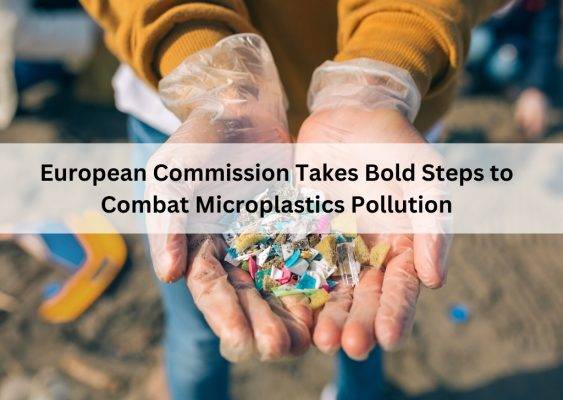
On September 27, 2023, the European Commission made a noteworthy move to combat microplastic pollution. They introduced an amendment to Regulation (EC) No 1907/2006 (REACH) to restrict the intentional use of microplastics. This addition is part of Annex XVII under the EU REACH chemical legislation and focuses on synthetic polymer microparticles. Specifically, it restricts synthetic polymer particles below five millimeters in size that are organic, insoluble, and resistant to degradation. An estimated 145,000 tonnes of microplastics are used annually in Europe and the European Economic Area (EEA). Once released into the environment, microplastics pose a significant challenge as they do not easily biodegrade. They accumulate in terrestrial and aquatic ecosystems, potentially entering the food chain, including human consumption. Moreover, their presence results in persistent pollution within our ecosystems and food chains. The new regulations prohibit the sale of products containing microplastics and the sale of microplastics themselves. This affects various products, including cosmetics, detergents, fabric softeners, glitter, toys, medicine, medical devices, fertilizers, and artificial sport surface infill material. Notably, the ban on microbeads in cosmetics takes effect immediately, without a transition period. Certain products are exempt from the sales ban, including those that do not release microplastics or can minimize their release, products used at industrial sites, and products already regulated by other EU legislations. However, manufacturers of exempted products are obliged to report estimated microplastic emissions annually to the European Chemicals Agency (ECHA), along with usage and disposal instructions. Products where microplastics are unintentionally present, such as sludge or compost, fall outside the scope of these regulations. The initial measures, including the ban on loose glitter and microbeads in cosmetics, become effective on October 17, marking the entry into force of the restriction. Transition periods are provided for other affected stakeholders to allow them time to develop and switch to alternatives. ComplianceXL offers consulting services to assist companies in complying with the REACH Regulation concerning microplastics. We aid in collecting data on products containing microplastics to ensure proactive compliance with these new regulations. Our services help customers meet regulatory milestones and maintain up-to-date compliance data management practices. FAQs: 1.What is the transition period given for infill material for sport pitches? The ban applies after 8 years to give pitch owners and managers the time to switch to alternatives. 2.What are major concerns caused by Microplastics? Microplastics are not biodegradable and have been found even in food and drinking water. It contributes permanent pollution to our eco systems.
A Guide for Manufacturers and Consumers on PVC Lead Restriction!
A new amendment to Regulation (EC) No 1907/2006 (REACH) is set to take effect on 8th May 2023. This amendment is aimed at eliminating lead (lead acetate) and its compounds from PVC (polyvinyl chloride) and other plastics. In addition to being a toxic substance, lead can also be harmful to the environment and to humans. The material is commonly used in the manufacturing of PVC to improve thermal stability and protect against photo-degradation. The amendment is expected to reduce the production and use of lead in PVC and other plastics, resulting in a safer environment and fewer health risks. Companies that manufacture PVC will need to find alternatives to lead to comply with the law. It has been shown that the presence of lead in PVC poses a risk to human health as well as the environment. Lead is a known neurotoxin that can cause a range of health issues, from headaches and irritability to seizures and even death. It can also accumulate in the environment, leading to pollution of the air, water, and soil. As a result, it is important to limit the use of PVC that contains lead. Therefore, the European Commission decided that PVC materials should be restricted in their lead content. The Commission Regulation (EU) 2023/923, which was issued on 3 May 2023, adds six points to Annex XVII, entry 63 of REACH, wherein the restrictions on lead and its compounds in PVC are specified. The amendment states that articles containing PVC that contain a lead concentration equal to or greater than 0.1% by weight shall not be placed on the market if they contain that amount of lead. Under certain conditions and within certain timeframes, PVC articles that contain recovered flexible PVC or recovered rigid PVC are eligible to receive benefits. Such benefits include exemptions from the lead concentration limit, as well as derogations allowing the marketing of recovered PVC articles with a lead concentration equal to or greater than 0.1% by weight. Additionally, adequate information must be provided to enable the safe use and disposal of such articles. According to the new restrictions, the aim is to reduce human exposure to lead as well as minimize its impact on the environment. As a result of the regulation restricting the use of lead in PVC, it contributes to the protection of human health, especially during product usage and at the end of its life cycle. Moreover, it encourages the development of safer and more sustainable alternatives to PVC-containing materials that are more environmentally friendly. The REACH amendment imposes restrictions on lead concentration in PVC materials. It prohibits the placement of articles with a lead concentration of 0.1% or higher on the market. Certain exceptions and transitional periods are provided for PVC articles containing recovered flexible and rigid PVC. The regulation aims to mitigate lead exposure risks and promote safer materials. ComplianceXL provides the necessary support and guidance for organizations to achieve full compliance. Organizations must also ensure that they are up to date with the latest changes in the regulation. Compliancexl offers expert advice and guidance to help organizations stay compliant with the latest regulations. FAQs Q: What is the purpose of the lead restrictions in PVC? A: The restrictions aim to protect human health and the environment from the harmful effects of lead, which is commonly used in PVC for thermal stability and protection against photo-degradation. Q: When do the new restrictions come into effect? A: The restrictions apply from 29 November 2024 for most PVC articles. However, there are exceptions and transitional periods for PVC articles containing recovered flexible PVC and recovered rigid PVC. Q: How will suppliers prove the origin of recovered PVC? A: Suppliers of PVC articles containing recovered rigid PVC must provide documentary evidence to substantiate claims of the recovered origin of the PVC. Certificates issued by recognized schemes or independent third parties can be used for this purpose.
A closer look into ECHA’s latest REACH SVHC additions
On Jan 17th, 2023, The European Chemicals Agency (ECHA) recently added nine new substances to their list of substances of very high concern (SVHC). In addition to the newly added substances, the SVHC list now totals 233 substances, up from 224 currently. REACH has added these substances to the SVHC list based on the previous public consultation, which considered persistence, bioaccumulation, and toxicity. Using these criteria, chemicals may be identified as posing significant risks to human health and the environment and therefore may require further regulation. Carcinogenic, Mutagenic or toxic to Reproduction (CMR) category 1 or 2 as per the directive 67/548/EEC Persistent, Bio accumulative and Toxic (PBT) or very Persistent and very Bio accumulative (vPvB) as per Annex XIII of REACH Any substance evaluated causing serious effects on human health or the environment The additions list includes the following nine substances: Substance Name: 4,4′-sulphonyldiphenol (bisphenol S; BPS)CAS number: 80-09-1Reason for proposal: Toxic for reproduction (Article 57c); Endocrine disrupting properties (Article 57(f) – environment); Endocrine disrupting properties (Article 57(f) – human health).Used in: Manufacture of pulp, textile, leather or fur, paper products etc. Substance Name: Perfluoro heptanoic acid and its saltsCAS number: Group compounds hence not applicableReason for proposal: Toxic for reproduction (Article 57c); PBT (Article 57d); vPvB (Article 57e); Equivalent level of concern having probable serious effects to human health (Article 57(f) – human health); Equivalent level of concern having probable serious effects to the environment (Article 57(f) – environment).Used in: stain-resistant fabrics, paper food packaging, and carpets Substance Name: MelamineCAS number: 108-78-1Reason for proposal: Equivalent level of concern having probable serious effects to human health (Article 57(f) – human health); Equivalent level of concern having probable serious effects to the environment (Article 57(f) – environment)Used in: spolymers and resins, Coating products, Adhesives and sealants, lab chemicals. Substance Name: 1,1′-[ethane-1,2-diylbisoxy]bis[2,4,6-tribromobenzene]CAS number: 37853-59-1Reason for proposal: vPvB (Article 57e)Used in: used as a flame retardant for many thermoplastic. Substance Name: 2,2′,6,6′-tetrabromo-4,4′-isopropylidenediphenolCAS number: 79-94-7Reason for proposal: Carcinogenic (Article 57a)Used in: reactive flame retardant and as an additive flame retardant in the manufacture of polymer resins, in products such as epoxy coated circuit boards, printed circuit boards and paper and textiles. Substance Name: Barium diboron tetraoxideCAS number: 13701-59-2Reason for proposal: Toxic for reproduction (Article 57c)Used in: paints and coatings. Substance Name: Bis(2-ethylhexyl) tetrabromophthalate covering any of the individual isomers and/or combinations thereofCAS number: Group of compounds hence not applicableReason for proposal: vPvB (Article 57e)Used in: flame retardant, plasticizer for flexible polyvinylchloride, wire and cable insulation, carpet backing, coated fabrics etc. Substance Name: Isobutyl 4-hydroxybenzoateCAS number: 4247-02-3Reason for proposal: Endocrine disrupting properties (Article 57(f) – human health)Used in: coating products, fillers, putties, plasters, modelling clay, inks and toners etc. Substance Name: reaction mass of 2,2,3,3,5,5,6,6-octafluoro-4-(1,1,1,2,3,3,3-heptafluoropropan-2-yl) morpholine and 2,2,3,3,5,5,6,6-octafluoro-4-(heptafluoropropyl) morpholineCAS number: Group of compounds hence not applicableReason for proposal: vPvB (Article 57e)Used in: in formulation or re-packing at industrial sites and in manufacturing etc. As a whole, the addition of these nine chemicals to the REACH SVHC list is a positive step towards improving the safety of everyday products that contain chemicals. These changes require companies to be aware of the regulations and take the necessary steps to comply. With ComplianceXL, companies can easily comply with the REACH Regulation and manage compliance documentation with ease.
ECHA proposes to add 9 new chemicals as SVHC
Change is in the air again with ECHA proposing to add nine more substances to SVHC, if approved the number of SVHC will increase from 224 to 233. The European Chemicals Agency (ECHA) launched the public consultation for the 28th update of the REACH Candidate List on 2 September 2022. The public consultation will end on 17 October 2022. Based on the previous public consultation, the following criteria are used to identify and propose SVHCs: Carcenogenic, Mutagenic or toxic to Reproduction (CMR) category 1 or 2 as per the directive Directive 67/548/EEC Persistent, Bioaccumulative and Toxic (PBT) or very Persistent and very Bioaccumulative (vPvB) as per Annex XIII of REACH Any substance evaluated causing serious effects to human health or environment Below are the substance details and its applications: Substance Name: 4,4′-sulphonyldiphenol (bisphenol S; BPS)CAS number: 80-09-1Reason for proposal: Toxic for reproduction (Article 57c); Endocrine disrupting properties (Article 57(f) – environment); Endocrine disrupting properties (Article 57(f) – human health)Used in: Manufacture of pulp, textile, leather or fur, paper products etc. Substance Name: Perfluoroheptanoic acid and its saltsCAS number: Group compounds hence not applicableReason for proposal: Toxic for reproduction (Article 57c); PBT (Article 57d); vPvB (Article 57e); Equivalent level of concern having probable serious effects to human health (Article 57(f) – human health); Equivalent level of concern having probable serious effects to the environment (Article 57(f) – environment)Used in: stain-resistant fabrics, paper food packaging, and carpets Substance Name: MelamineCAS number: 108-78-1Reason for proposal: Equivalent level of concern having probable serious effects to human health (Article 57(f) – human health); Equivalent level of concern having probable serious effects to the environment (Article 57(f) – environment)Used in: polymers and resins, Coating products, Adhesives and sealants, lab chemicals Substance Name: 1,1′-[ethane-1,2-diylbisoxy]bis[2,4,6-tribromobenzene]CAS number: 37853-59-1Reason for proposal: vPvB (Article 57e)Used in: used as a flame retardant for many thermoplastic. Substance Name: 2,2′,6,6′-tetrabromo-4,4′-isopropylidenediphenolCAS number: 79-94-7Reason for proposal: Carcinogenic (Article 57a)Used in: reactive flame retardant and as an additive flame retardant in the manufacture of polymer resins, in products such as epoxy coated circuit boards, printed circuit boards and paper and textiles. Substance Name: Barium diboron tetraoxideCAS number: 13701-59-2Reason for proposal: Toxic for reproduction (Article 57c)Used in: paints and coatings Substance Name: Bis(2-ethylhexyl) tetrabromophthalate covering any of the individual isomers and/or combinations thereofCAS number: Group of compounds hence not applicableReason for proposal: vPvB (Article 57e)Used in: flame retardant, plasticizer for flexible polyvinylchloride, wire and cable insulation, carpet backing, coated fabrics etc. Substance Name: Isobutyl 4-hydroxybenzoateCAS number: 4247-02-3Reason for proposal: Endocrine disrupting properties (Article 57(f) – human health)Used in: coating products, fillers, putties, plasters, modelling clay, inks and toners etc. Substance Name: reaction mass of 2,2,3,3,5,5,6,6-octafluoro-4-(1,1,1,2,3,3,3-heptafluoropropan-2-yl) morpholine and 2,2,3,3,5,5,6,6-octafluoro-4-(heptafluoropropyl) morpholineCAS number: Group of compounds hence not applicableReason for proposal: vPvB (Article 57e)Used in: in formulation or re-packing at industrial sites and in manufacturing etc. Timelines: The deadline for comments from all affected/concerned parties is 17 October 2022. Interested in learning more about the upcoming REACH update and its impact on various industries? Talk to one of our compliance specialists at ComplianceXL.
ECHA adds a new substance to REACH SVHC

On 10th June, 2022, The European Chemicals Agency (ECHA) has added one more substance to its list of SVHC candidates, which was updated from 223 to 224. The newly added substance to candidate list is N-(hydroxymethyl)acrylamide (CAS-924-42-5) which is mainly a carcinogen as well as Mutagen. N-(hydroxymethyl)acrylamide is generally found as intermediate compound in thermoplastic manufacturing. Also, N-(hydroxymethyl)acrylamide is classified as TOXIC LIQUID, ORGANIC, N.O.S. (N-(Hydroxymethyl)acrylamide, acrylamide, formaldehyde) with UN 2810 and dangerous for transportation by road, rail and air. As a result of substance additions to the EU REACH SVHC List, if the substances are used in products above an agreed threshold, affected companies are subject to immediate obligations. ECHA must also be informed through submissions to the SCIP Database, which include notifying customers. In addition, this obligates supply chains to contact all their immediate suppliers to identify the risks due to N-(hydroxymethyl)acrylamide. We at ComplianceXL help organizations coordinate this process from start to finish, including coverage for the SCIP Database. We do this by supplier engagement, data collection, data validation, substance calculations, and report generation as part of our EU REACH compliance documentation services. Get in touch with us today if you would like to know more about what our company can do for you regarding EU REACH compliance needs.
All you need to know about REACH SVHC update 2022
On January 17, 2022, ECHA added four more substances to its list of SVHC candidates, which was updated from 219 to 223. The chemicals contain hormone-disrupting properties, interfere negatively with reproductive health, are bioaccumulative, toxic, persistent, and biodegradable, which makes them harmful to humans and the environment. There are four substances listed on the Candidate List, one of which is used in cosmetics and may disrupt human hormones. In addition to these, there are two that are used in rubber, lubricants, and sealants, and which are included because they are detrimental to fertility. There is a fourth chemical that is used in lubricants and greases, and it has been added because it is persistent, bioaccumulative, and toxic (PBT), and therefore is harmful to the environment. Below are the newly added 4 chemicals in the SVHC List: tris(2-methoxyethoxy)vinylsilane: CAS number is 1067-53-4. Inclusion is due to the fact that this substance is potentially toxic for reproduction. The substance acts as a coupling agent. According to Article 57CC, the reason for inclusion is that these chemicals are toxic for reproduction. They can be found in rubber, lubricants, adhesives, inks, and fuels. (±)-1,7,7-trimethyl-3-[(4-methylphenyl)methylene]bicyclo[2.2.1]heptan-2-one covering any of the individual isomers and/or combinations thereof (4-MBC): As per Article 57 f – human health, the reason for inclusion is Endocrine Disrupting Properties. This substance is used in cosmetics. 6,6′-di-tert-butyl-2,2′-methylenedi-p-cresol: CAS number is 119-47-1. The reason for inclusion is Toxic for reproduction, as per Article 57 c. It is used in rubbers, plastics and sealants products. S-(tricyclo(5.2.1.02,6)deca-3-en-8(or 9)-yl O-(isopropyl or isobutyl or 2-ethylhexyl) O-(isopropyl or isobutyl or 2-ethylhexyl) phosphorodithioate: CAS number is 255881-94-8. As stated in Article 57d, the reason for inclusion is the persistent, bioaccumulative and toxic nature of the substance. It is commonly found in greases and lubricants. By adding these substances to the EU REACH SVHC List, the total REACH SVHC List now stands at 223 substances. Prior to this addition, SVHC 219 was added in July. Substances that are added to the EU REACH SVHC List come with immediate obligations for affected companies who use the substances in their products above the agreed threshold, which includes notifying their customers and informing ECHA through submissions to the SCIP Database. We at ComplianceXL help organizations coordinate this process from start to finish, including coverage for the SCIP Database, by performing data collection, data validation, substance calculations, and report generation as part of our EU REACH data services. Find out more about what we can do for your company in relation to EU REACH compliance by getting in touch with us today.
REACH Requirements and Chemical Recycling
“Chemical Recycling of Polymeric Waste in the Circular Economy” was a report published by ECHA to examine the current state of chemical recycling from plastic, rubber, and other polymeric waste materials. In its report, the commission outlines recommendations and conclusions that must be followed in order to perform chemical recycling and reduce plastic pollution. As part of chemical recycling, plastic polymers are chemically broken down to produce new products, such as crude oil, fuels, which can be used in new plastic production. Mechanical recycling, which consists of mechanically crushing the plastic into granules, has been replaced by chemical recycling. It is possible to recycle both mixed plastic waste and contaminated plastic waste through chemical recycling. Recommendations and Conclusions of Chemical Recycling Study A total of 6 conclusions and 4 recommendations were made in the study. At the moment, scientific papers do not mention the regulatory aspects of chemical recycling. REACH and other chemicals, waste and product safety legislation present opportunities and challenges specific to each chemical recycling technology. Consequently, the report recommends that regulatory issues be examined on a case-by-case basis, separately for each type of chemical recycling technology. The report also summarizes feedback from operators on the challenges associated with each recycling technology. Only a limited amount of knowledge exists about the potential of different chemical recycling processes to eliminate substances of concern. Further studies at chemical recycling facilities are necessary to reach sound conclusions. The circularity of plastics can be achieved using a variety of chemical recycling processes. In order to avoid false generalizations on one technology’s pros and cons for the entire field of chemical recycling, each technology should be evaluated individually. Through digital technologies, the traceability of substances of concern in recycling can be improved. Their implementation, however, requires that a lot of effort and coordination be made between and within organizations. The lack of clarity in chemical recycling terminology creates confusion about chemical recycling’s potential in the circular economy. The term chemical recycling should be harmonized so that a consistent discussion can be held regarding chemical recycling potential. To distinguish technologies that meet the definition of recycling, outlined under the Waste framework directive, chemical reprocessing technologies should always be mentioned in reports and regulatory documents. The use of Block chain technology can be used to monitor substances of concern in plastic waste. However, its implementation requires substantial efforts on the part of companies to implement it. ECHA mentions that it is critical to understand the different methods for recycling chemicals. By using these techniques, it will be possible to reduce the presence of harmful substances in recycled materials. This will lead to a no-toxic cycle in the circular economy. In addition, ECHA would like to know how many new REACH registrations will be created. The report outlines the advantages and disadvantages of different chemical recycling processes. Talk to our Global Compliance specialist to understand how this new chemical recycling requirements affect your organization.
All you need to know about PFCAs restricted by EU under Annex 17
PFCAs (perfluorocarboxylic acids), a subset of PFAs (per- and polyfluoroalkyl substances) has been restricted by European commission – under Annex XVII of REACH Regulation. This new regulation replaces the entry 68 of Annex 17 to REACH on PFOA. PFOA related substances are now regulated under POPs regulation (EU) 2019/1021. It restricts the PFCAs and their salts, containing 9 to 14 carbon atoms in the chain (C9-C14 PFCAs). The below substances are excluded from the definition: CnF2n+1-C (= O) OX’ where n> 13 and X’=any group, including salts CnF2n+1-X, where X = F, Cl, or Br where n = 9, 10, 11, 12, 13 or 14, including any combinations thereof. Companies cannot manufacture, use or place the PFCAs and their salts on the market from 25th Feb 2023. These are toxic and very persistent and very bioaccumulative (vPvB). C9-C14 PFCAs act as a substitute for PFOA. This is also added under Candidate List as substances of very high concern (SVHCs) under REACH. It can be used as a constituent in other substances, mixtures or articles, if the mixture, or the article is below 25 ppb for the sum of C9-C14 PFCAs and their salts or 260 ppb for the sum of C9-C14 PFCA-related substances. The regulation is applicable from 4th July 2023 to: Textiles for oil – and water repellency for protection of workers from dangerous liquids. The manufacturer of polytetrafluoroethylene (PTFE) and polyvinylidene fluoride (PVDF), used in the production of: Industrial sealants capable of preventing volatile organic compound leakage. Equipment for industrial waste heat exchange. Membranes used in corrosion resistant gas filters, water filters and medical devices. The regulation is applicable from 4th July 2025 for: Photographic coatings applied to films. Implantable and invasive medical devices. Fire-fighting foam for liquid fuel vapor suppression and liquid fuel fire for Class B fires. photolithography or etch processes used in the manufacture of semiconductors. Different transition periods are granted to certain industry and professional. Articles placed before 25th of Feb 2023 on EU market are exempted. Talk to one of our REACH Regulation Specialists today!
REACH SVHC Candidate list updated

European Chemical Agency, ECHA has updated the candidate list of substance of very high concern for authorisation, in accordance with Article 59(10) of REACH regulation Annex XIV. On 25th June 2020, below 4 new chemicals added to SVHC list, making it from 205 to 209. 1-vinylimidazoleCAS: 1072-63-5Reason: Toxic for reproduction as per Article 57 (c).Found in: Production of polymers, antifoaming agents, coagulating agents, surface treatment of metals 2-methylimidazoleCAS: 693-98-1Reason: Toxic for reproduction as per Article 57 (c).Found in: Paints, varnishes, plastics as hardening promoter, manufacturing, casting and surface treatments of metals, plastic products. Dibutylbis(pentane-2,4-dionato-O,O’)tinCAS: 22673-19-4Reason: Toxic for reproduction as per Article 57 (c).Found in: As an additive and catalyst in plastic production, paints, sealants. Butyl 4-hydroxybenzoate (Butylparaben)CAS: 94-26-8Reason: Endocrine disrupting properties – human health as per Article 57(f) – human health.Found in: Cosmetics, personal care products and pharmaceuticals, flavouring agent Do you want to know, whether you company and products come under the purview of EU REACH Regulations? Talk to one of REACH Compliance Specialists today!