
The Plastic Packaging Tax in the UK: What You Need to Know
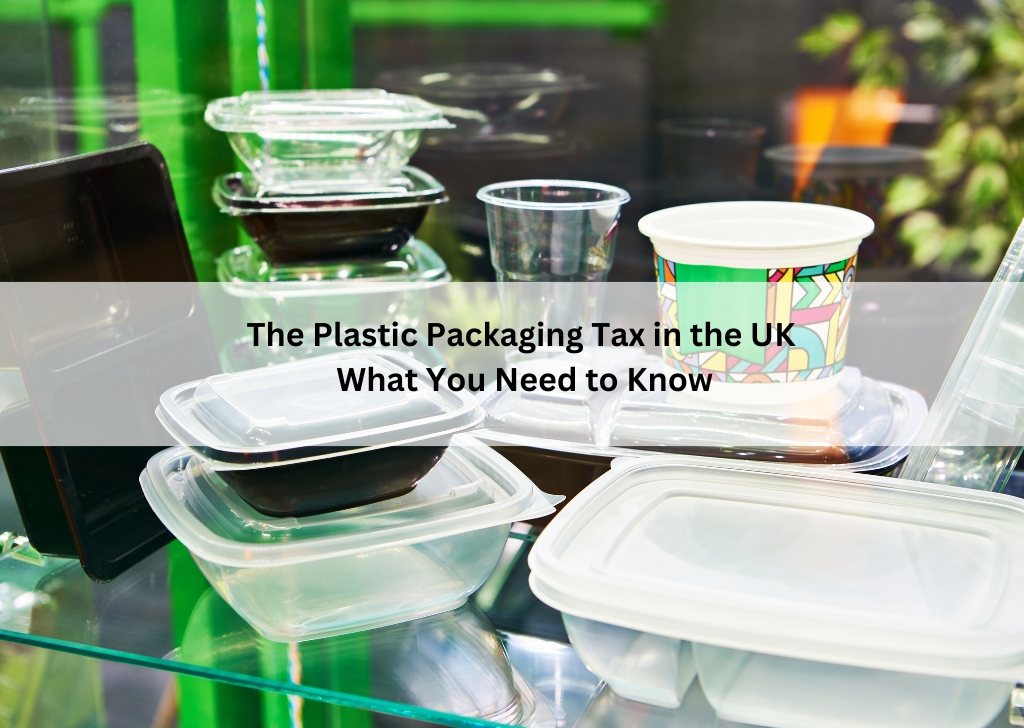
On April 1, 2022, the UK introduced the Plastic Packaging Tax (PPT), which applies to all plastic packaging that contains less than 30% recycled plastic. This tax aims to incentivize the use of recycled plastics, ultimately boosting recycling rates, enhancing waste collection, and reducing the amount of plastic waste sent to landfills or incineration. The tax applies to any packaging component, defined as a product designed to contain, protect, handle, deliver, or display goods at any point in the supply chain, from the producer to the end consumer. The Plastic Packaging Tax covers plastic packaging components made from materials typically regarded as more sustainable, such as oxo-degradable, biodegradable, and compostable plastics. Companies that manufacture or import fewer than 10 tonnes of plastic packaging annually are exempt from paying this tax. Manufacturers and importers of plastic packaging are required to pay the tax based on the metric tonnes of plastic packaging they produce or import. The initial PPT rate, set at £200 per tonne on April 1, 2022, has been subject to annual increases. From April 1, 2024, the tax rate will rise from £210.82 per tonne to £217.85 per tonne. Businesses that import or produce more than 10 tonnes of plastic packaging within a 12-month period must register for the Plastic Packaging Tax. To qualify for exemptions, companies need to provide evidence that their plastic packaging contains at least 30% recycled material. This entails keeping records on the types of plastics used, the percentage of recycled plastic, and the volume of each packaging component. Failure to comply with these requirements or providing false information can result in significant penalties. Non-compliance can incur a £500 fixed penalty, followed by a daily charge of £40 for continued violations. In more severe cases, companies could face criminal prosecution, with penalties including up to 12 months in prison and fines of either £20,000 or three times the amount of tax avoided. Implementing the Plastic Packaging Tax successfully will require unprecedented levels of collaboration, clear communication, and investment to ensure compliance across the industry. ComplianceXL offers specialized consulting services to assist businesses in navigating the complexities of the Plastic Packaging Tax. We help companies obtain crucial information from their suppliers, including details about the plastic packaging components used, recycling methods, and the volume or percentage of recycled plastic within their packaging. With ComplianceXL’ s comprehensive compliance management platform, companies can conduct thorough due diligence, engage with suppliers, and complete the necessary compliance documentation efficiently. FAQs: 1. What products are subject to the Plastic Packaging Tax? The Plastic Packaging Tax applies to all plastic packaging that contains less than 30% recycled plastic, including oxo-degradable, biodegradable, and compostable plastics. 2. What exemptions exist under the UK Plastic Packaging Tax? Exemptions include businesses that produce or import fewer than 10 metric tonnes of plastic packaging within a 12-month period, packaging with at least 30% recycled plastic, and packaging for licensed human medicines.
Ensuring Global Compliance: Companies’ Responsibility Beyond the UFLPA
In today’s fast-moving global business environment, adhering to forced labor laws is not just an ethical duty but also a legal requirement. The Universal Declaration of Human Rights and International Labor Organization conventions clearly denounce forced labor, but it remains widespread, especially within the supply chains of multinational firms. Although the Universal Framework for Labor Protection Agreement (UFLPA) sets basic principles for worker rights, companies need to employ more comprehensive compliance strategies to ensure ethical operations globally. This is where ComplianceXL becomes a crucial resource in mastering the complex regulations around forced labor. What is UFLPA? The Universal Framework for Labor Protection Agreement (UFLPA) is a United Nations initiative designed to globally uphold workers’ rights. It establishes key labor protection principles but requires additional strategies for effective forced labor prevention within international supply chains. Forced labor is a critical issue worldwide, presenting major obstacles for businesses trying to comply across extensive supply chains. The vastness and complexity of these networks make it hard to monitor every production level. Yet, failing to comply not only breaches human rights but also risks a company’s reputation, financial health, and legal status. To tackle these challenges thoroughly, global firms must take proactive steps beyond mere legal compliance: • Transparency and Due Diligence: Effective supply chain management starts with transparency. Companies must comprehensively map their supply chains to spot potential forced labor risks at every stage. ComplianceXL excels in executing in-depth due diligence, including supplier audits and evaluations, ensuring adherence to labor laws and ethical norms. • Supplier Engagement and Collaboration: Working with suppliers is vital for encouraging fair labor practices. ComplianceXL aids in engaging suppliers effectively, setting clear expectations about labor standards, and providing necessary compliance support and resources. Building long-term, transparent partnerships encourages a widespread commitment to ethical labor. • Training and Education: It’s critical to educate both employees and suppliers on the risks of forced labor. ComplianceXL provides customized training that reinforces the company’s human rights commitment and instructs on recognizing and addressing forced labor scenarios. This empowers all parties to maintain ethical labor standards. • Risk Assessment and Mitigation: Continuous risk evaluations are essential to detect vulnerabilities in supply chains. ComplianceXL offers thorough risk assessments, allowing companies to proactively identify and mitigate potential issues to avoid forced labor. Staying ahead of emerging risks helps protect operations and comply with legal standards. • Collaboration with Stakeholders: Effective forced labor prevention requires working with stakeholders, including governments, NGOs, and industry groups. ComplianceXL spearheads collaborative efforts, pooling expertise, and resources for significant impact. Joint efforts with stakeholders can drive substantial improvements and foster a more ethical global market. In conclusion, adhering to forced labor regulations demands a comprehensive strategy that extends past merely following international standards such as the UFLPA. By partnering with ComplianceXL, global businesses can confidently tackle the intricacies of these regulations, fostering ethical operations and championing the dignity and rights of workers everywhere. Together, we can aim for a future free of forced labor, where each person is afforded the respect and fairness, they are due. FAQs: 1. What are the consequences of non-compliance with forced labor regulations? Non-compliance can lead to severe consequences such as damage to reputation, legal liabilities, financial penalties, supply chain disruptions, loss of customer trust, and regulatory scrutiny. Ensuring compliance is essential to avoid these risks and uphold ethical standards. 2. What is forced labor, and why is compliance important for global companies? Forced labor involves individuals being coerced into work against their will, often under exploitative conditions. Compliance with forced labor regulations is crucial for global companies to ensure ethical business practices, uphold human rights, and mitigate legal, financial, and reputational risks. 3. How can ComplianceXL assist global companies in complying with forced labor regulations? ComplianceXL offers services such as due diligence, supplier engagement, training, risk assessment, and stakeholder collaboration to support global companies in navigating forced labor regulations effectively and ensuring compliance throughout their supply chains.